

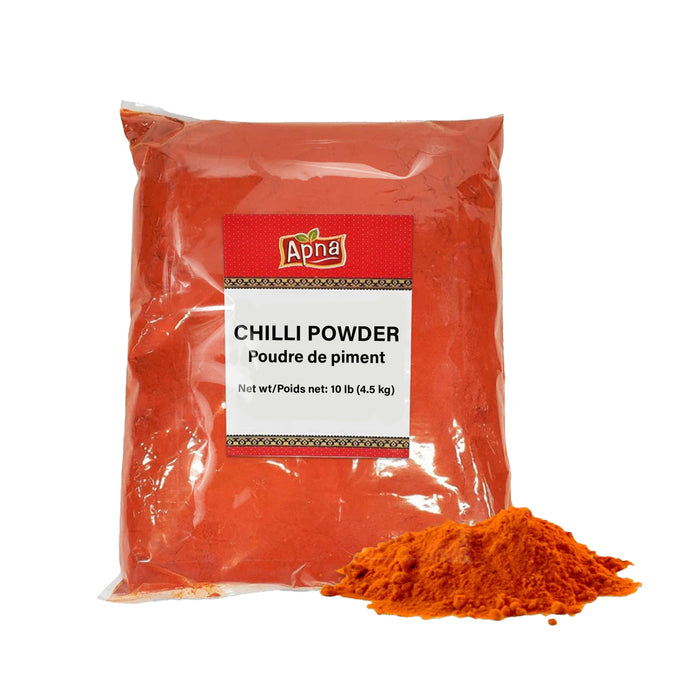
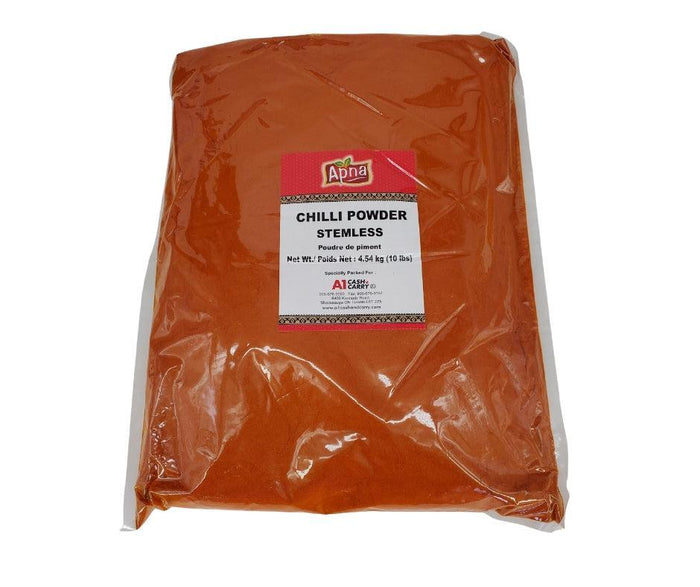
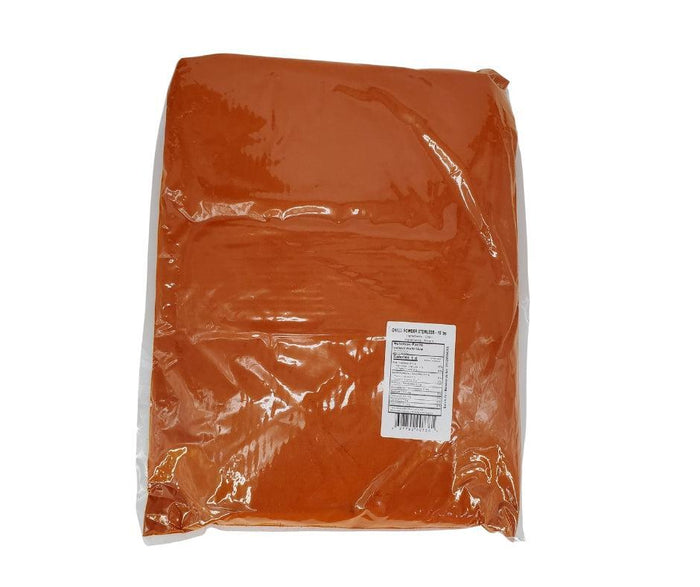
Apna - Chilli Powder
CODE: SPA012
Roll over image to zoom in
ONLINE PRICE:
Please see your local cash and carry for in-store pricing.
Pickup and Delivery Options
EXPLORE MORE FROM
 Apna
Apna
Description
Bulk Apna Chilli Powder 10lb at Wholesale Prices | Delivery Across GTA
Apna chilli powder is a finely ground spice made from dried red chilli peppers, available in 10 lb bags or cases containing 40 lbs (4 x 10 lb bags) for commercial foodservice operations. This versatile spice provides heat and color to diverse culinary applications across multiple cuisine types. Available for delivery across Canada.
Common Commercial Uses
Restaurants, catering operations, food manufacturers, and retail food businesses use chilli powder for seasoning, color enhancement, and heat development in a wide range of dishes. The powder format integrates smoothly into recipes and spice blends.
Typical users include:
- Indian and Pakistani restaurants preparing curries, masalas, and traditional dishes
- Mexican and Tex-Mex establishments creating salsas, moles, and enchilada sauces
- Quick-service restaurants developing signature seasonings and spice blends
- Food trucks and street food vendors crafting custom rubs and marinades
- Catering companies handling diverse cuisine requirements for events
- Institutional kitchens in hospitals, schools, and corporate cafeterias
- Cafes and fast-casual concepts featuring globally-inspired menus
- Specialty food manufacturers producing spice blends and seasonings
- Retail food operations packaging bulk spices for consumer sale
Product Characteristics and Heat Profile
Chilli powder consists of ground dried chilli peppers, sometimes as a single variety or as a blend. The Apna brand formulation is designed for foodservice applications across South Asian and international cuisines.
Physical characteristics:
- Texture: Fine to medium powder
- Color: Deep red to reddish-brown, depending on chilli variety
- Appearance: Uniform powder consistency
- Moisture: Properly processed product should be dry and free-flowing
Heat and flavor considerations:
- Heat intensity varies based on chilli variety and capsaicin content
- Powder format allows even heat distribution throughout dishes
- Color contribution can range from bright red to darker tones
- Aroma intensity indicates freshness and proper storage
The ground format facilitates incorporation into liquid-based recipes, dry rubs, and spice blends where uniform distribution is required.
Culinary Uses in Commercial Kitchens
Chilli powder serves multiple functions across diverse cooking applications:
South Asian cuisine:
- Curry bases and gravy preparations
- Tandoori marinades and tikka seasonings
- Biryani and pulao rice dishes
- Lentil preparations (dal) and legume dishes
- Chaat masala and spice blend components
- Vegetable and paneer preparations
Mexican and Latin American cuisine:
- Enchilada and mole sauce bases
- Taco seasoning and fajita blends
- Salsa and hot sauce production
- Bean and rice dish seasoning
- Chili con carne and stew preparations
General foodservice applications:
- Seasoning rubs for grilled proteins
- Barbecue sauce and glaze formulations
- Soup and stew flavor enhancement
- Snack food seasoning (chips, nuts, popcorn)
- Marinade and brine preparations
- Hot wing sauces and buffalo-style coatings
Preparation methods:
- Added directly during cooking for heat development
- Bloomed in oil to release color and aromatic compounds
- Mixed into dry spice blends and rubs
- Incorporated into wet marinades and sauces
Packaging Options and Storage
10 lb bag: Suitable for moderate-volume operations, recipe testing, or establishments with space constraints. This size facilitates handling and inventory rotation.
Case of 40 lbs (4 x 10 lb): Designed for high-volume users, multi-unit operations, or businesses with consistent chilli powder usage across menu items. Bulk purchasing typically provides cost efficiency for establishments with adequate storage.
Proper storage maintains product quality and prevents degradation:
- Store in airtight containers in cool, dry locations away from direct sunlight
- Avoid exposure to heat sources and moisture
- Keep away from strong light that can fade color
- Prevent humidity contact to maintain powder consistency
- Implement first-in, first-out rotation practices
- Climate-controlled storage preserves heat potency and color intensity
- Seal opened bags tightly or transfer to dedicated spice storage containers
Operational Considerations for Commercial Buyers
Businesses using chilli powder in volume should account for several practical factors:
Heat level consistency: Establish baseline heat profiles through testing, as chilli powder heat can vary between batches
Color standards: If visual appearance is critical, sample new batches to ensure color consistency
Recipe standardization: Use weight-based measurements rather than volume for uniform results across preparation
Cross-contamination protocols: Implement handling procedures for customers with capsaicin sensitivities
Quality monitoring: Regular sensory checks help identify when product freshness declines
Staff training: Ensure kitchen teams understand proper storage and handling to maintain integrity
Yield calculations: Track usage rates to determine cost per dish and reorder timing
Chilli Powder vs. Other Chilli Products
Understanding distinctions between chilli formats helps in selecting appropriate products:
Chilli powder characteristics:
- Fine, uniform powder
- Integrates smoothly into liquids and batters
- Even heat and color distribution
- Convenient for high-volume applications
Crushed chilli/red pepper flakes characteristics:
- Visible flakes with coarse texture
- Provides textural element
- Often used as table condiment or garnish
- Seeds contribute additional heat
Whole dried chillies characteristics:
- Intact pods requiring preparation
- Longest shelf life
- Used for infusions and specific regional dishes
- Requires grinding or chopping before use
Many operations stock multiple formats to address different culinary requirements.
Quality Indicators for Commercial Grade Chilli Powder
When evaluating chilli powder for commercial purchase, buyers typically assess:
- Color vibrancy: Rich, deep color indicates freshness and proper processing
- Aroma strength: Pungent, characteristic smell suggests recent grinding
- Texture uniformity: Fine, consistent powder without clumping
- Moisture content: Dry, free-flowing product without caking
- Foreign material: Clean product without stems, seeds, or debris
- Packaging integrity: Sealed, undamaged packaging prevents contamination
Visual and aromatic inspection upon delivery helps verify product meets operational standards.
Heat Level Management in Commercial Settings
Commercial operations manage chilli heat levels through various approaches:
Recipe formulation: Adjusting chilli powder quantities to create mild, medium, and hot versions of dishes
Blending strategies: Combining different chilli varieties or diluting with paprika for heat control
Customer communication: Clear menu labeling and spice-level indicators manage expectations
Testing protocols: Establishing baseline heat profiles for consistency across service periods
Staff knowledge: Training team members to answer customer questions about spice levels
Frequently Asked Questions
1. What type of chillies are used in Apna chilli powder?
Specific chilli varieties vary by product formulation. Contact the supplier for detailed information about chilli sources and blend composition for this particular product.
2. How does chilli powder differ from cayenne pepper?
Cayenne pepper is a specific type of chilli powder made exclusively from cayenne peppers, typically hotter than blended chilli powders. Generic chilli powder may contain multiple chilli varieties and sometimes additional spices.
3. Can I substitute chilli powder for fresh chillies in recipes?
Substitution is possible but affects flavor profile, texture, and moisture content. Generally, 1/2 to 1 teaspoon of chilli powder approximates one fresh chilli, though heat levels vary. Recipe testing is recommended.
4. How should I store opened bags of chilli powder?
Transfer to airtight containers and store in cool, dry conditions away from light, heat, and moisture. Proper storage preserves color, aroma, and heat potency.
5. Does chilli powder lose heat over time?
Yes, capsaicin compounds degrade gradually, particularly with exposure to light, heat, and air. Color fading often indicates diminishing potency. Proper storage slows this process.
6. How much chilli powder should I use in recipes?
Usage depends on desired heat level and specific product strength. Start with recipe guidelines and adjust through testing. Typical applications range from 1/2 teaspoon to several tablespoons per batch.
7. Is Apna chilli powder suitable for customers with dietary restrictions?
Pure chilli powder contains only ground chillies. However, verify with the supplier about processing facilities and potential cross-contamination if allergen concerns exist.
8. Can chilli powder be used in spice blend manufacturing?
Yes, chilli powder is a common component in commercial spice blend production, including curry powders, taco seasonings, and barbecue rubs.
9. What is the shelf life of chilli powder in commercial settings?
Shelf life varies with storage conditions. Properly stored chilli powder can maintain usable quality for extended periods, though color and heat intensity gradually diminish. Regular quality assessments help determine replacement timing.
10. How many servings can I get from 10 lbs of chilli powder?
Yield depends on portion sizes and recipe specifications. If using 1 teaspoon per serving, 10 lbs provides thousands of servings. Track usage in your specific applications for accurate cost analysis.
Businesses purchasing Apna chilli powder in bulk should evaluate typical usage volume, storage capacity, and menu requirements. The 10 lb bag format works for moderate-volume operations or those testing new recipes, while the 40 lb case suits high-volume establishments with consistent usage across multiple dishes or locations. Establishing storage protocols, heat level testing procedures, and staff training on proper handling helps maintain product quality and operational efficiency across Canadian foodservice operations.
SIMILAR PRODUCTS
DISCLAIMERS
Prices displayed on the website are valid for online purchases only. Please see your local cash and carry for in-store pricing.
Please allow for 1 day delay in delivery.
Refunds are processed on Friday of each week. In case you need a refund sooner, please Contact Us.
Frozen products are delivered at a cooler temperature.
Free bulk local delivery is available on orders as low as $550 (pre-tax, selected cities)
Please note, additional delivery charges may be required based on accessibility of your location, proximity of your location to our delivery routes, nature of your order. We will notify you if additional charges apply before your delivery.
CUSTOMER REVIEWS