

Desi - Haleem Wheat
CODE: RIC018
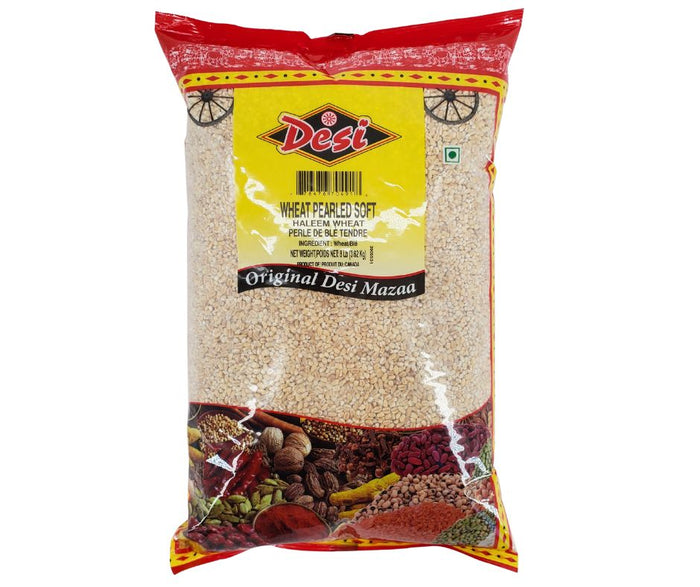
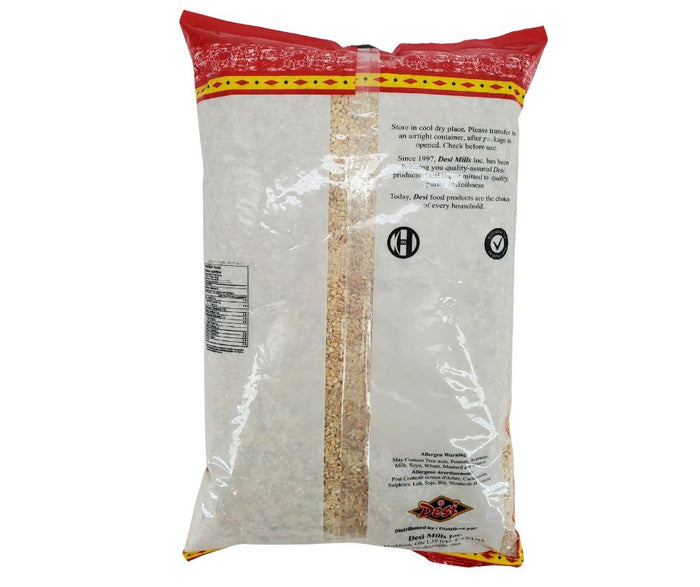
Roll over image to zoom in
ONLINE PRICE:
Please see your local cash and carry for in-store pricing.
Pickup and Delivery Options
EXPLORE MORE FROM
 Desi
Desi
Description
Bulk Desi Haleem Wheat 8lb at Wholesale Price | Delivery Across Canada
Desi haleem wheat is a whole grain product available in 8 lb bags or cases containing 40 lbs (5 x 8 lb bags) for commercial foodservice and retail operations. This whole wheat grain is used primarily in the preparation of haleem, a traditional South Asian slow-cooked stew. Available for delivery across Canada.
Common Commercial Applications
Restaurants, catering operations, institutional kitchens, and food service establishments use haleem wheat for preparing traditional South Asian dishes. The whole grain format requires soaking and extended cooking times, making it suitable for operations with advance meal preparation capabilities.
Typical users include:
- Pakistani, Indian, and Middle Eastern restaurants specializing in traditional cuisine
- Catering companies handling cultural events and celebrations
- Institutional kitchens serving diverse populations
- Food trucks and mobile vendors with slow-cooked specialties
- Banquet halls and event venues offering ethnic menu options
- Hotels and hospitality operations with international cuisine programmes
- Cafes featuring fusion or traditional South Asian dishes
- Retail food operations preparing packaged or ready-to-eat meals
- Community centres and religious institutions preparing festival meals
- Meal prep services focusing on ethnic or traditional recipes
Product Specifications and Characteristics
Packaging specifications:
- Weight per bag: 8 lbs (approximately 3.6 kg)
- Case quantity: 5 bags (40 lbs total / approximately 18 kg)
- Product type: Whole wheat grain
- Storage: Dry goods requiring cool, dry storage
Product characteristics:
- Whole wheat kernels with bran and germ intact
- Tan to light brown colour typical of whole wheat
- Requires soaking before cooking (typically 4-8 hours or overnight)
- Extended cooking time needed for proper softening (varies by preparation method)
- Coarse texture when cooked, often mashed or blended in final dishes
The 8 lb bag provides bulk quantity while remaining manageable for kitchen handling and storage rotation.
Culinary Uses and Preparation
Haleem wheat serves as a primary ingredient in specific traditional dishes:
Primary applications:
- Haleem (slow-cooked stew with meat and lentils)
- Harissa (similar wheat and meat porridge)
- Traditional breakfast porridges
- Slow-cooked ceremonial dishes
Preparation considerations:
- Requires advance soaking (minimum 4 hours, often overnight)
- Long cooking times (typically 4-6 hours for traditional methods)
- Often combined with lentils, barley, or other grains
- Cooked until grains break down and create thick consistency
- Typically mashed or blended during or after cooking
- Served hot, often garnished with fried onions, ginger, and lemon
Complementary ingredients in haleem:
- Various meats (lamb, beef, chicken)
- Lentils (masoor, chana dal, moong dal)
- Spices (cumin, coriander, turmeric, garam masala)
- Aromatics (onions, garlic, ginger)
- Cooking fats (ghee or oil)
Storage and Handling
Proper storage maintains grain quality:
- Store in cool, dry locations away from moisture
- Keep bags sealed or transfer to airtight containers after opening
- Elevated storage prevents ground moisture contact
- Avoid exposure to humidity which can cause spoilage or insect infestation
- Implement first-in, first-out rotation practices
- Check periodically for signs of moisture or pests
- Maintain storage area temperature between 50-70°F (10-21°C) when possible
Handling considerations:
- 8 lb bags suitable for kitchen staff handling
- Whole grains have extended shelf life when stored properly
- Opened bags should be resealed or transferred to storage containers
- Scoop or pour carefully to prevent spillage
Operational Considerations for Commercial Buyers
Businesses using haleem wheat in commercial quantities should account for several practical factors:
Preparation planning:
- Advance soaking requires planning ahead for service times
- Long cooking times necessitate early kitchen start times or overnight preparation
- Slow cookers, pressure cookers, or large pots needed for volume preparation
Labour considerations:
- Active stirring required during cooking to prevent sticking
- Mashing or blending steps add labour time
- Recipe complexity may require skilled preparation staff
Yield calculation:
- Wheat expands significantly during soaking and cooking
- Typical yield: 1 lb dry wheat produces approximately 3-4 lbs cooked weight
- Calculate final yield including all recipe components (meat, lentils, etc.)
Menu planning:
- Haleem is often featured during Ramadan and special occasions
- Preparation time makes it suitable for pre-order or limited menu availability
- Batch cooking can be portioned and frozen for later service
Equipment requirements:
- Large cooking vessels for volume preparation
- Slow cookers or pressure cookers for efficient cooking
- Immersion blenders or food processors for mashing
- Hot-holding equipment for service
Haleem Wheat vs. Other Wheat Products
Understanding product differences helps in selection:
Haleem wheat (whole wheat kernels):
- Whole grain with bran and germ intact
- Requires soaking and long cooking
- Nutritionally dense with fibre content
- Specific to traditional haleem preparation
- Coarse texture when cooked
Cracked wheat or bulgur:
- Pre-processed, partially cooked wheat
- Shorter cooking time
- Different texture in final dishes
- Not traditional for authentic haleem
Wheat berries:
- Similar to haleem wheat
- May be softer varieties
- Can sometimes substitute depending on dish requirements
Wheat flour:
- Ground wheat product
- Different culinary applications
- Not suitable for haleem preparation
Operations preparing traditional haleem typically use whole wheat kernels specifically marketed for this purpose.
Case Quantity and Purchasing Considerations
8 lb bag:
- Suitable for testing recipes or lower-volume operations
- Easier to rotate through inventory
- Allows for variety in stored grain products
Case of 40 lbs (5 x 8 lb):
- Cost efficiency through bulk purchasing
- Appropriate for operations with regular haleem preparation
- Reduces reorder frequency
- Suitable for seasonal menu items with high volume (such as Ramadan specials)
Frequently Asked Questions
1. What is haleem wheat?
Haleem wheat refers to whole wheat grains used in preparing haleem, a traditional South Asian slow-cooked stew. These are whole wheat kernels with the bran and germ intact, requiring soaking and extended cooking times.
2. Does haleem wheat need to be soaked before cooking?
Yes, haleem wheat typically requires soaking for minimum 4 hours, though overnight soaking (8-12 hours) is common. This softens the grains and reduces overall cooking time.
3. How long does it take to cook haleem wheat?
Cooking time varies by method. Traditional slow cooking takes 4-6 hours. Pressure cookers can reduce this to 1-2 hours after soaking. The wheat should break down and become very soft.
4. Can I substitute haleem wheat with other wheat products?
While substitutions are possible, they will alter the traditional texture and flavour. Haleem wheat's whole grain composition is specific to authentic preparation. Cracked wheat or bulgur have different characteristics.
5. How much cooked haleem does 8 lbs of wheat yield?
Yield varies based on recipe and other ingredients. As a general guide, 1 lb of dry wheat expands to approximately 3-4 lbs when cooked. An 8 lb bag yields roughly 24-32 lbs of cooked wheat before adding other recipe components.
6. What is the shelf life of haleem wheat?
When stored properly in cool, dry conditions, whole wheat grains typically maintain quality for 6-12 months. Check for any off-odours, discolouration, or signs of moisture damage before use.
7. Can cooked haleem be frozen?
Yes, fully cooked haleem can be frozen for later service. Portion into appropriate containers, cool properly, and freeze. Thaw in refrigeration and reheat to proper serving temperature.
8. Is haleem wheat the same as wheat berries?
Haleem wheat and wheat berries are similar whole wheat grain products. Regional naming and specific wheat varieties may differ slightly, but they serve similar culinary purposes in traditional cooking.
9. What equipment is needed to prepare haleem in commercial quantities?
Large stockpots or slow cookers are common. Pressure cookers can reduce cooking time significantly. Immersion blenders or food processors help achieve the traditional mashed consistency. Hot-holding equipment maintains service temperature.
10. How should I calculate portion sizes for haleem?
Portion sizes vary by service style. As a main dish, 8-12 oz (225-340g) per serving is typical. As part of a buffet or alongside other dishes, 4-6 oz (115-170g) portions are common. Account for all recipe components when calculating.
Businesses purchasing Desi haleem wheat should evaluate typical preparation volume, available advance preparation time, and storage capacity for dry goods. The 8 lb bag format works for operations with moderate usage, while the 40 lb case suits establishments with regular haleem preparation or seasonal high-volume needs. Understanding extended preparation requirements, establishing proper dry storage protocols, and training kitchen staff on traditional preparation methods helps maintain product quality and operational efficiency across Canadian foodservice operations.
SIMILAR PRODUCTS
DISCLAIMERS
Prices displayed on the website are valid for online purchases only. Please see your local cash and carry for in-store pricing.
Please allow for 1 day delay in delivery.
Refunds are processed on Friday of each week. In case you need a refund sooner, please Contact Us.
Frozen products are delivered at a cooler temperature.
Free bulk local delivery is available on orders as low as $550 (pre-tax, selected cities)
Please note, additional delivery charges may be required based on accessibility of your location, proximity of your location to our delivery routes, nature of your order. We will notify you if additional charges apply before your delivery.
CUSTOMER REVIEWS