

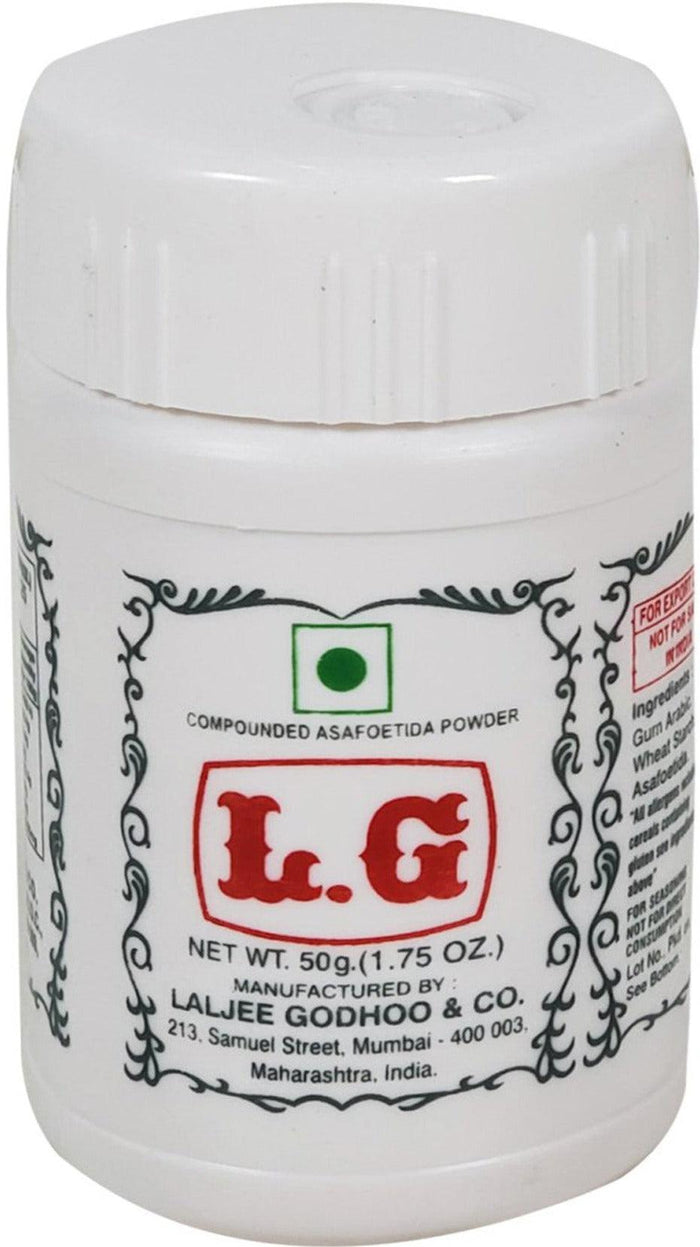
Hing - Powder
CODE: SPI156
Roll over image to zoom in
ONLINE PRICE:
Please see your local cash and carry for in-store pricing.
Pickup and Delivery Options
EXPLORE MORE FROM
 Generic
Description
Asafoetida/Hing Powder 20x50g Case in Bulk
Product Overview
Asafoetida — commonly known as hing or hing powder in South Asian culinary contexts — is a dried, ground resin derived from the root of the Ferula plant, a species native to Central Asia and the Iranian plateau. It is one of the more distinctive spices used in professional and home kitchens alike, recognised for its sharp, pungent aroma in raw form that mellows considerably during cooking into a flavour profile often described as savoury and onion-like.
This product is supplied in 50 g individual units and is also available by the case in a 20 x 50 g format, making it accessible for both single-unit retail stocking and higher-volume foodservice or wholesale procurement.
What Is Hing Powder?
Asafoetida powder is produced by harvesting the gum resin that exudes from the roots and stems of Ferula assa-foetida and related species. The raw resin is dried and then milled into a fine powder, typically blended with a starch base — commonly wheat flour or rice flour — to reduce its intensity and improve ease of measurement and handling in kitchen environments.
The spice has been a foundational ingredient in Indian, Persian, and Central Asian cuisine for centuries. In commercial Indian cooking, hing powder is used as a flavour base in much the same functional role as onion and garlic, making it a particularly important ingredient in kitchens preparing Jain cuisine or dishes intended for customers who avoid alliums for dietary or religious reasons.
Common Commercial Applications
Asafoetida is used across a broad range of professional food environments:
- Indian restaurants and South Asian catering operations using hing as a tadka (tempering) spice bloomed in hot oil or ghee at the start of cooking
- Jain cuisine specialists and vegetarian restaurants where onion and garlic are excluded and hing serves as a functional aromatic substitute
- Spice blenders and food manufacturers incorporating asafoetida into masala blends, curry powders, and prepared spice mixes
- Pickle and condiment producers using hing as a flavouring agent in achaar and fermented preparations
- Lentil and legume-focused kitchens where hing is traditionally added to dals and bean dishes to aid in flavour development
- Specialty grocery retailers and ethnic food stores stocking South Asian pantry staples for their customer base
- Catering companies and hospitality kitchens managing diverse dietary and religious menu requirements
- Food trucks and carts specialising in South Asian street food or fusion menus
Product Characteristics
| Feature | Detail |
|---|---|
| Product Type | Ground asafoetida (hing) powder |
| Unit Size | 50 g |
| Case Format | 20 x 50 g |
| Form | Fine powder, typically blended with starch base |
| Aroma | Pungent raw; mellows to savoury and onion-like when cooked |
| Common Names | Asafoetida, hing, hing powder, heeng, devil's dung (archaic) |
| Delivery | Across Canada |
Due to its potency, asafoetida is used in very small quantities — typically fractions of a teaspoon per dish — which means even a 50 g unit represents a considerable number of portions in a commercial kitchen context. The 20-unit case format is suited to operations with consistent demand or to retailers managing shelf inventory across multiple SKUs.
How Hing Powder Is Typically Used in Commercial Kitchens
Hing powder is almost always used as a heat-activated spice. The standard commercial preparation method involves:
- Tempering in oil or ghee — A small quantity of hing powder, typically a pinch to a quarter teaspoon, is added to hot fat at the beginning of cooking, where the heat rapidly transforms its raw, sulphurous aroma into a rounded, savoury base note
- Addition to dry spice blends — Incorporated into pre-mixed masalas and curry powders during the blending stage
- Added to lentil and bean preparations — Mixed into dal, chana, rajma, and similar dishes during the cooking process, often in the tempering stage
- Used in pickling liquids — Added to brine or oil-based pickling preparations for achaar production
The quantity used is consistently small. In most commercial applications, hing powder functions as a background flavour enhancer rather than a dominant spice note.
Why Commercial Operators Stock Asafoetida
There are several practical reasons foodservice operators and retailers maintain asafoetida in their pantry or product range:
- Allium substitute — Provides a functionally similar aromatic depth to onion and garlic, relevant for Jain, certain vegetarian, and some religious dietary frameworks
- High yield per unit — Very small quantities are used per dish, making a 50 g unit operationally efficient relative to its cost
- Broad flavour application — Used across lentils, vegetables, rice, breads, pickles, and spice blends
- Pantry stability — Dry powder format supports ambient storage with a reasonable shelf life when kept in sealed, airtight conditions
- Ethnic cuisine demand — Growing demand for authentic South Asian, Persian, and Central Asian cuisine has increased the relevance of stocking hing across a wider range of foodservice operations
Bulk and Wholesale Buyer Considerations
For wholesale and foodservice buyers, the 20 x 50 g case format provides a manageable unit count for operations with moderate to high usage, while the individual 50 g size suits retail environments where customers prefer smaller pack formats. As a dry powdered spice, asafoetida should be stored in airtight containers away from heat, light, and moisture to preserve potency over time.
Given its strong raw aroma, storage in sealed packaging away from other pantry staples is a practical consideration for both warehouse and kitchen environments. Buyers are encouraged to confirm shelf life at point of order and align purchasing volume with realistic consumption timelines.
This product is available for wholesale delivery across Canada.
Frequently Asked Questions (FAQs)
Q: What is asafoetida used for in cooking?
Asafoetida is used primarily as a flavouring agent in South Asian, Persian, and Central Asian cooking. It is bloomed in hot oil or ghee at the start of cooking to develop a savoury, onion-like base note. It is commonly used in lentil dishes, vegetable curries, pickles, spice blends, and flatbreads.
Q: Why does hing powder smell so strong in its raw form?
The pungent aroma of raw asafoetida comes from sulphur compounds present in the resin. When exposed to heat during cooking — particularly when tempered in hot oil — these volatile compounds dissipate and transform, producing a noticeably milder, more rounded flavour. Most commercial kitchen operators find the cooked aroma significantly less intense than the raw powder.
Q: Is hing powder the same as asafoetida?
Yes. Hing and heeng are the common Hindi-language names for asafoetida. Hing powder, asafoetida powder, and heeng powder all refer to the same product — ground resin from the Ferula plant, typically blended with a starch base for commercial use.
Q: Does asafoetida contain gluten?
Many commercially produced asafoetida powders are blended with wheat flour as a starch base, which means they may contain gluten. Operators catering to customers with coeliac disease or gluten sensitivity should review the ingredient declaration on the specific product packaging carefully. Rice flour-based formulations are available as an alternative in some product lines.
Q: How much hing powder is typically used per dish in a commercial kitchen?
Quantities vary by recipe and regional tradition, but hing is characteristically used in very small amounts — often between a pinch and a quarter teaspoon per portion or batch. Its potency means that a 50 g unit can represent a significant number of servings in a high-volume kitchen environment.
Q: Can asafoetida be used as a substitute for onion and garlic?
Asafoetida is commonly used in culinary contexts where onion and garlic are avoided, such as Jain cuisine and certain other dietary frameworks. It does not replicate the exact flavour of alliums but provides a broadly similar savoury, aromatic depth when cooked. It is an established functional ingredient in these culinary traditions rather than a direct flavour match.
Q: How should hing powder be stored in a commercial or retail setting?
Asafoetida powder should be stored in a sealed, airtight container away from direct light, heat, and moisture. Due to its strong raw aroma, keeping it in a tightly sealed container is particularly important to prevent the scent from transferring to other pantry items. Ambient, cool, and dry storage conditions are standard for this product type.
Q: Is this product available for delivery outside of major urban centres?
Yes. This product is available for wholesale and retail delivery across Canada. Buyers in regions outside major distribution hubs are encouraged to confirm delivery timelines and minimum order requirements at point of enquiry.
SIMILAR PRODUCTS
DISCLAIMERS
Prices displayed on the website are valid for online purchases only. Please see your local cash and carry for in-store pricing.
Please allow for 1 day delay in delivery.
Refunds are processed on Friday of each week. In case you need a refund sooner, please Contact Us.
Frozen products are delivered at a cooler temperature.
Free bulk local delivery is available on orders as low as $550 (pre-tax, selected cities)
Please note, additional delivery charges may be required based on accessibility of your location, proximity of your location to our delivery routes, nature of your order. We will notify you if additional charges apply before your delivery.
CUSTOMER REVIEWS