

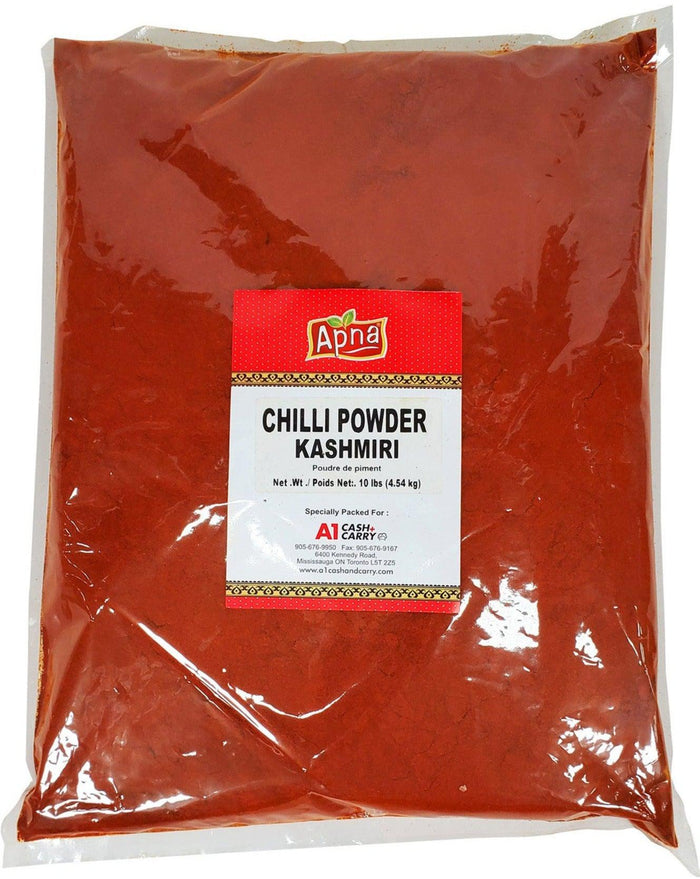
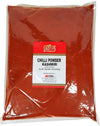
Apna - Kashmiri Chilli Powder
CODE: SPI158
Roll over image to zoom in
ONLINE PRICE:
Please see your local cash and carry for in-store pricing.
Pickup and Delivery Options
EXPLORE MORE FROM
 Apna
Apna
Description
Bulk Apna Kashmiri Red Chilli Powder 10lb | Delivering Across Canada
Kashmiri chilli powder is a ground spice made from dried Kashmiri chillies, available in 10 lb bags or 55 lb cases for commercial foodservice operations. This variety of chilli powder is known for its distinctive deep red color and mild to moderate heat level compared to other chilli varieties, making it a functional ingredient in both culinary applications and visual food presentation.
Common Commercial Applications
Restaurants, catering operations, food manufacturers, and specialty food businesses use Kashmiri chilli powder for color enhancement and flavor development in diverse cuisines. The spice's ability to impart vibrant red hues while maintaining manageable heat levels makes it useful across multiple cooking styles.
Typical users include:
- Indian and South Asian restaurants preparing traditional curries, tandoori dishes, and regional specialties
- Catering companies handling events requiring visually appealing dishes with controlled spice levels
- Food trucks and street food vendors creating signature sauces and marinades
- Cafes and fast-casual concepts featuring globally-inspired menu items
- Hotel kitchens and banquet operations preparing large-batch recipes
- Institutional kitchens in corporate cafeterias, hospitals, and universities
- Specialty food manufacturers producing spice blends, sauces, and marinades
- Meal prep services and ghost kitchens with diverse menu offerings
- Retail spice retailers repackaging bulk spices for consumer sale
Product Characteristics and Flavor Profile
Kashmiri chilli powder is produced from a specific variety of chilli peppers grown primarily in the Kashmir region. The powder exhibits distinct characteristics that differentiate it from other chilli powders:
Visual and sensory properties:
- Color: Deep, vibrant red to burgundy, which intensifies when cooked in oil
- Heat level: Mild to moderate on the Scoville scale compared to cayenne or other hot chilli powders
- Texture: Fine to medium grind depending on processing method
- Aroma: Earthy, slightly sweet with subtle smoky notes
The color contribution is often the primary reason commercial kitchens select Kashmiri chilli powder, particularly when preparing dishes requiring visual appeal without excessive heat that might limit customer base.
Culinary Uses in Commercial Kitchens
Kashmiri chilli powder serves multiple functions in professional cooking environments:
Traditional applications:
- Tandoori marinades and tikka preparations
- Curry bases and gravy formulations
- Biryanis, pulaos, and rice dishes
- Paneer and vegetable preparations
- Lentil dishes (dal) and legume-based recipes
Contemporary and fusion uses:
- Rubs and seasoning blends for grilled proteins
- Finishing spice for plated dishes requiring color contrast
- Ingredient in hot sauces and condiments
- Pizza and flatbread seasoning blends
- Soup and stew flavor enhancement
- Butter and oil infusions for finishing dishes
Dry blending applications:
- Component in garam masala and curry powder blends
- Spice mix formulations for retail packaging
- Seasoning blends for snack foods
Packaging Options and Storage
10 lb bag: Suitable for moderate-volume operations, recipe development, or businesses with space constraints. This size allows for easier handling and rotation in smaller kitchens.
55 lb case: Designed for high-volume users, food manufacturers, or operations with consistent large-scale usage across multiple menu items. Bulk cases typically offer better unit economics for establishments with adequate storage facilities.
Proper storage extends shelf life and maintains quality:
- Store in cool, dry locations away from direct sunlight and heat sources
- Airtight containers prevent moisture absorption and preserve color intensity
- Avoid storage near strong-smelling items as spices can absorb odors
- Climate-controlled environments help maintain consistent quality
- Elevated storage prevents ground moisture contact
- Implement first-in, first-out rotation to use older stock before newer arrivals
Operational Considerations for Bulk Buyers
Commercial kitchens using Kashmiri chilli powder in volume should account for several practical factors:
Recipe standardization: Establish weight-based measurements rather than volume for consistent results across different batches and staff members
Color consistency: Color intensity can vary between batches from different harvests. Test new inventory when appearance is critical to dish presentation.
Heat level variability: While generally mild, heat levels can vary. Sample testing helps prevent unexpected spice levels in customer-facing dishes.
Yield calculations: Track usage rates to determine cost per serving and inventory reorder points
Cross-contamination prevention: Implement handling procedures to prevent unintended spice transfer, particularly important for customers with capsaicin sensitivities
Staff training: Ensure kitchen staff understand the difference between Kashmiri chilli powder and hotter varieties to prevent recipe errors
Quality Indicators for Commercial Grade Kashmiri Chilli Powder
When evaluating Kashmiri chilli powder for commercial purchase, buyers typically assess:
- Color vibrancy: Deep, rich red indicates fresh product and proper processing
- Aroma strength: Fresh, robust smell suggests recent processing
- Texture uniformity: Consistent grind without clumping or hard particles
- Moisture content: Properly dried powder should be free-flowing, not caked
- Purity: Absence of stems, seeds, or foreign material indicates quality processing
- Packaging integrity: Sealed, undamaged packaging prevents contamination and moisture exposure
Visual inspection and small-batch testing before committing to large purchases helps verify product meets operational standards.
Kashmiri Chilli Powder vs. Other Chilli Varieties
Understanding distinctions between chilli powder types helps in selecting appropriate products:
Kashmiri chilli powder characteristics:
- Vibrant red color with lower heat intensity
- Used primarily for color and mild flavor
- Common in North Indian and Mughlai cuisines
Cayenne pepper characteristics:
- Orange-red color with significantly higher heat
- Used primarily for heat rather than color
- Common in American, Cajun, and some Asian cuisines
Paprika characteristics:
- Similar color contribution with minimal heat
- Sweet or smoked flavor profiles available
- Common in European and Mediterranean cuisines
Some operations maintain multiple chilli varieties to address different recipe requirements and heat preferences.
Frequently Asked Questions
1. How does Kashmiri chilli powder differ from regular chilli powder?
Kashmiri chilli powder is known for its vibrant red color and milder heat compared to many other chilli powders. Regular chilli powder may refer to cayenne or blended spice mixes with varying heat levels and ingredients.
2. Can I substitute cayenne pepper for Kashmiri chilli powder?
Cayenne is significantly hotter. If substituting, use less cayenne and expect different color and heat results. For color without heat, consider paprika as an alternative.
3. How much Kashmiri chilli powder should I use in recipes?
Usage depends on desired color intensity and heat level. Start with recipe guidelines and adjust based on testing. Typical restaurant applications use 1-2 teaspoons per serving for moderate color.
4. Does Kashmiri chilli powder lose color over time?
Yes, exposure to light, heat, and air gradually fades color intensity. Proper storage in airtight containers away from light helps preserve color longer.
5. Is Kashmiri chilli powder suitable for customers sensitive to spicy food?
While milder than many chilli varieties, it still contains capsaicin. Customers with extreme sensitivity may still react. Communication with customers about spice levels is recommended.
6. How should I store opened bulk Kashmiri chilli powder?
Transfer to airtight containers and store in cool, dry conditions. Some high-volume operations use dedicated spice storage systems with moisture control.
7. Can Kashmiri chilli powder be used in dry rubs?
Yes, it works well in rubs for proteins, providing color and mild heat without overpowering other flavors.
8. What is the shelf life of Kashmiri chilli powder in commercial settings?
Shelf life varies based on storage conditions. Properly stored powder can maintain usable quality for extended periods, though color and flavor potency gradually diminish. Regular quality checks help determine when replacement is needed.
9. Does the powder need any preparation before use?
Kashmiri chilli powder can be used directly. Some recipes call for blooming the spice in oil to release color and aromatics. This technique enhances color distribution in dishes.
10. How many servings can I get from 10 lbs of Kashmiri chilli powder?
Yield depends on recipe portions and usage rates. If using 1-2 teaspoons per serving, 10 lbs provides thousands of servings. Calculate based on specific recipe requirements for accurate cost analysis.
Businesses purchasing Kashmiri chilli powder in bulk should evaluate typical usage volume, storage capacity, and menu requirements. The 10 lb bag format works for moderate-volume operations or those testing new menu items, while the 55 lb case suits high-volume establishments with consistent usage across multiple dishes. Establishing storage protocols, staff training on proper handling, and regular quality monitoring helps maintain product integrity and operational efficiency
We deliver Apna Kashmiri Chilli Powder 10-55lb in bulk at wholesale prices. Buy online on our website & get delivery across Canada.
SIMILAR PRODUCTS
DISCLAIMERS
Prices displayed on the website are valid for online purchases only. Please see your local cash and carry for in-store pricing.
Please allow for 1 day delay in delivery.
Refunds are processed on Friday of each week. In case you need a refund sooner, please Contact Us.
Frozen products are delivered at a cooler temperature.
Free bulk local delivery is available on orders as low as $550 (pre-tax, selected cities)
Please note, additional delivery charges may be required based on accessibility of your location, proximity of your location to our delivery routes, nature of your order. We will notify you if additional charges apply before your delivery.
CUSTOMER REVIEWS