Bulk Kasuku Ginger Powder/Ground at Wholesale | Canada-wide Delivery
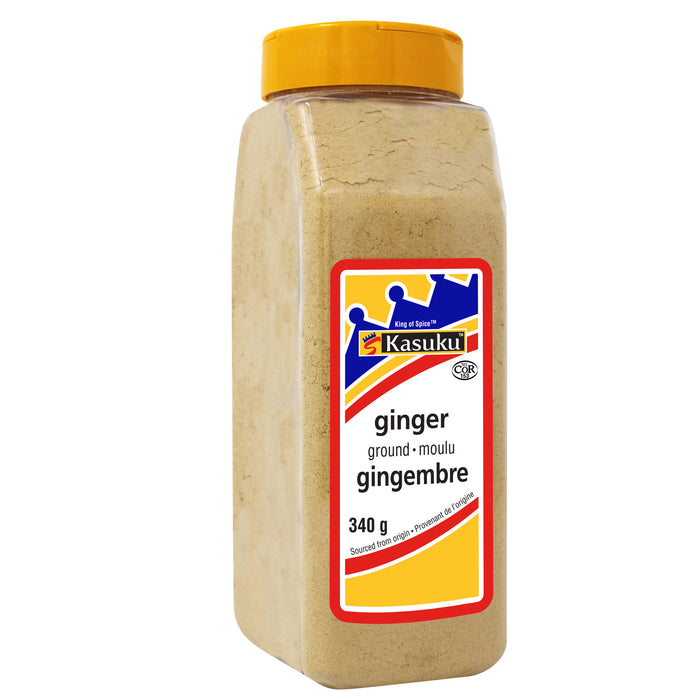
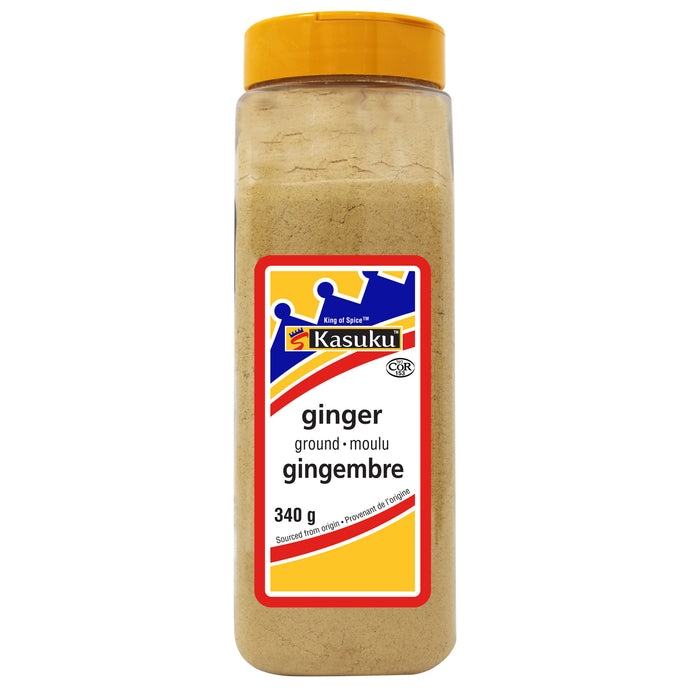
Kasuku ground ginger is finely powdered dried ginger root, available in 340 g containers or cases containing 3.06 kg (9 x 340 g containers) for commercial foodservice operations. This warm, pungent spice is used across multiple cuisines for its distinctive flavor profile and aromatic properties. Available for delivery across Canada.
Common Commercial Applications
Restaurants, bakeries, catering operations, and beverage service establishments use ground ginger for both sweet and savory culinary applications. The powder format provides convenience and consistent flavor distribution compared to fresh ginger root.
Typical users include:
- Indian and Pakistani restaurants preparing curries, masalas, and traditional spiced dishes
- Bakeries producing gingerbread, cookies, cakes, and spiced baked goods
- Cafes and coffee shops creating seasonal beverages and chai tea blends
- Asian restaurants incorporating ginger into stir-fries, sauces, and marinades
- Catering companies handling diverse cuisine requirements for events
- Food trucks and street food vendors developing signature spice blends
- Institutional kitchens in hospitals, schools, and corporate cafeterias
- Beverage operations preparing ginger-based drinks and wellness shots
- Specialty food manufacturers producing spice blends and seasonings
Product Characteristics and Flavor Profile
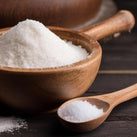
Ground ginger is produced by drying and finely grinding fresh ginger root (Zingiber officinale). The drying and grinding process concentrates certain flavor compounds while reducing moisture content for shelf stability.
Physical characteristics:
-
Texture: Fine, light powder
-
Color: Pale yellow to light tan
-
Appearance: Uniform powder consistency
-
Aroma: Warm, spicy, slightly sweet with peppery notes
Flavor considerations:
- Sharp, pungent flavor more concentrated than fresh ginger
- Warming sensation without intense heat
- Slightly citrus-like undertones
- Flavor intensity increases when heated or bloomed in fat
The 340 g container size provides moderate portioning suitable for operations that use ground ginger regularly but in controlled quantities.
Culinary Uses in Commercial Kitchens
Ground ginger serves multiple functions across sweet and savory preparations:
Baking applications:
- Gingerbread, gingersnaps, and spiced cookies
- Cakes, muffins, and quick breads
- Pie spice blends and pumpkin spice formulations
- Scones, biscuits, and pastries
- Spiced glazes and frostings
South Asian cuisine:
- Curry bases and masala blends
- Biryani and pulao rice preparations
- Tandoori marinades and spice rubs
- Chai tea and spiced beverage blends
- Lentil dishes and vegetable curries
Asian cuisine applications:
- Stir-fry seasoning
- Dumpling and wonton fillings
- Teriyaki and ginger-based sauces
- Ginger-garlic paste formulations
- Noodle soup seasonings
Beverage applications:
- Chai tea and spiced tea blends
- Ginger beer and ginger ale production
- Wellness shots and turmeric-ginger beverages
- Hot toddies and spiced cocktails
- Smoothie and juice bar additions
General foodservice uses:
- Spice rubs for proteins
- Salad dressing flavor enhancement
- Soup and stew seasoning
- Pickles and preserves
- Marinades for poultry and seafood
Packaging Options and Storage
340 g container: Suitable for operations with moderate ginger usage, smaller kitchens, or businesses testing menu additions. This size allows easier inventory rotation and reduces waste from prolonged storage.
Case of 3.06 kg (9 x 340 g): Designed for higher-volume users or operations with consistent ground ginger requirements across multiple recipes. Case purchasing typically provides cost efficiency while maintaining fresher product through smaller individual containers.
Proper storage maintains spice quality and preserves volatile oils:
- Store in airtight containers in cool, dry locations away from direct sunlight
- Avoid exposure to heat sources and moisture
- Keep away from strong light that can degrade color and potency
- Prevent humidity contact to avoid clumping
- Implement first-in, first-out rotation practices
- Climate-controlled storage preserves aromatic compounds
- Reseal containers tightly after each use
Ground Ginger vs. Fresh Ginger
Understanding the differences between ground and fresh ginger helps in product selection:
Ground ginger characteristics:
- Concentrated, intense flavor
- Dry powder integrates smoothly into batters and dry mixes
- Long shelf life when properly stored
- No preparation or peeling required
- More pungent and less bright than fresh
Fresh ginger characteristics:
- Milder, brighter, more citrus-forward flavor
- Provides moisture and fibrous texture
- Shorter shelf life, requires refrigeration
- Needs peeling, grating, or mincing
- Preferred for certain applications like stir-fries
Generally, 1 tablespoon of fresh grated ginger can be substituted with 1/4 teaspoon of ground ginger, though flavor profiles differ. Recipe testing is recommended when substituting.
Operational Considerations for Commercial Buyers
Businesses using ground ginger should account for several practical factors:
Recipe standardization: Use weight-based measurements for consistent results across batches
Substitution ratios: Establish protocols when converting recipes from fresh to ground ginger
Quality monitoring: Fresh ground ginger should have strong aroma; diminished scent indicates age
Allergen protocols: While not a common allergen, document spice handling for customer inquiries
Staff training: Ensure kitchen teams understand proper storage and measurement techniques
Yield calculations: Track usage rates to determine cost per dish and reorder timing
Potency awareness: Ground ginger flavor intensifies in dishes over time, particularly in liquid applications
Quality Indicators for Commercial Grade Ground Ginger
When evaluating ground ginger for commercial purchase, buyers typically assess:
-
Aroma strength: Pungent, spicy smell indicates freshness and proper processing
-
Color consistency: Pale yellow to light tan without dark spots or discoloration
-
Texture uniformity: Fine, free-flowing powder without clumping or moisture
-
Taste profile: Sharp, warming flavor without mustiness or off-flavors
-
Moisture content: Dry powder without caking
-
Packaging integrity: Sealed, undamaged containers prevent contamination
Sensory evaluation upon delivery helps verify product meets operational standards.
Container Size Considerations
The 340 g format offers specific advantages for certain operations:
Benefits of smaller containers:
- Reduced exposure time after opening maintains freshness
- Easier portion control and inventory management
- Better suited for operations with limited storage space
- Minimizes waste from degraded product
- Allows stocking multiple spices without excessive bulk
Case purchasing advantages:
- Cost efficiency through volume buying
- Reduces reorder frequency
- Ensures consistent supply for high-usage periods
- Suitable for operations using ginger across multiple menu items
Frequently Asked Questions
1. Can I substitute ground ginger for fresh ginger in recipes?
Substitution is possible but changes flavor profile. Use approximately 1/4 teaspoon ground ginger for every tablespoon of fresh grated ginger. Ground ginger has more concentrated, pungent flavor. Recipe testing is recommended.
2. How long does ground ginger maintain potency?
Ground ginger loses aromatic compounds over time, particularly after opening. Properly stored in airtight containers away from light and heat, it can maintain quality for extended periods, though potency gradually diminishes. Replace when aroma weakens significantly.
3. What is the difference between ground ginger and ginger powder?
These terms generally refer to the same product—dried ginger root that has been finely ground. Some regional or specialty markets may differentiate, but for most commercial applications, they are interchangeable.
4. How much ground ginger should I use in baking?
Usage depends on recipe and desired intensity. Typical baking applications use 1/2 to 2 teaspoons per batch. Gingerbread and heavily spiced items use more. Start with recipe guidelines and adjust through testing.
5. Can ground ginger be used in beverages?
Yes, ground ginger is commonly used in chai tea blends, spiced beverages, wellness shots, and cocktails. It dissolves better when mixed with other dry ingredients or bloomed in hot liquid first.
6. Does ground ginger provide the same flavor as fresh ginger?
No, flavor profiles differ. Ground ginger is more concentrated, pungent, and warming. Fresh ginger is brighter, more citrus-forward, and less intense. Both have appropriate applications depending on the dish.
7. How should I store opened containers of ground ginger?
Keep containers tightly sealed and store in cool, dry conditions away from light, heat, and moisture. Transfer to airtight containers if original packaging doesn't reseal properly.
8. Is Kasuku ground ginger suitable for customers with dietary restrictions?
Pure ground ginger contains only dried ginger root. However, verify with the supplier about processing facilities and potential cross-contamination if allergen concerns exist.
9. Can I use ground ginger in marinades?
Yes, ground ginger works in marinades, though it doesn't provide the same textural element as fresh ginger. It distributes flavor evenly throughout liquid marinades. Combine with other aromatics for balanced flavor.
10. How many servings can I get from 340 g of ground ginger?
Yield depends on usage amounts. If using 1/2 teaspoon per serving, 340 g provides hundreds of servings. Calculate based on specific recipe portions for accurate cost analysis.
Businesses purchasing Kasuku ground ginger should evaluate typical usage patterns, storage capacity, and whether the 340 g container size aligns with operational volume. The individual container format works for moderate-volume users who prioritize freshness through smaller quantities, while the 9-container case suits operations with consistent ginger usage across multiple menu items. Establishing proper storage protocols and inventory rotation practices helps maintain spice quality and operational efficiency across Canadian foodservice operations.