

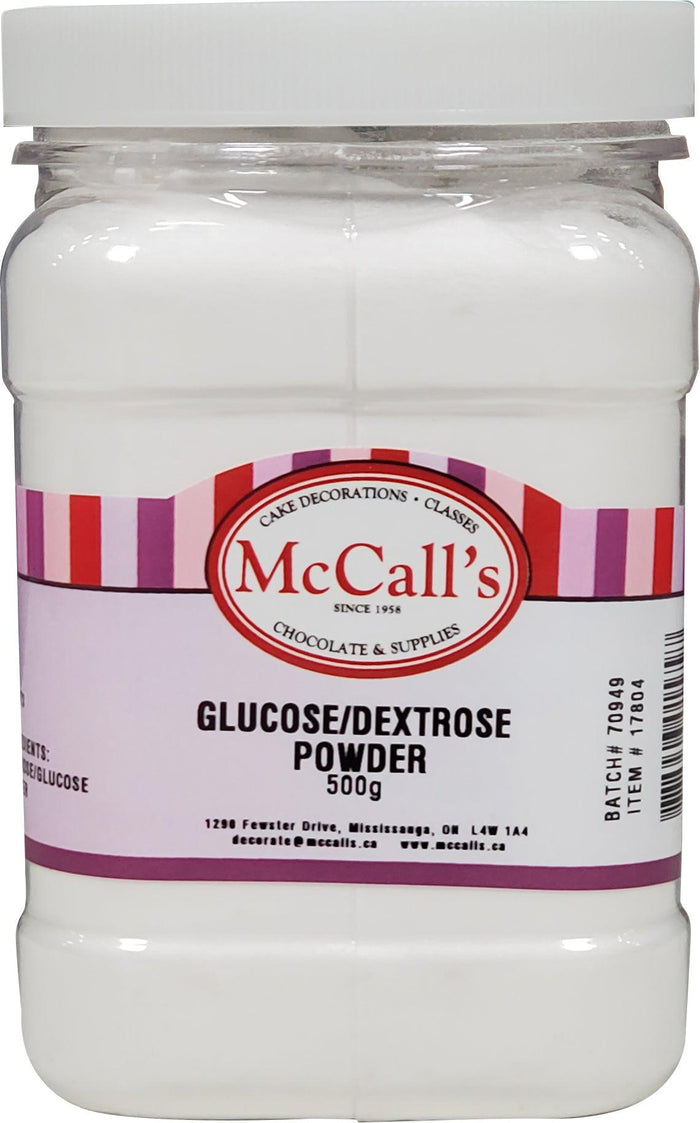
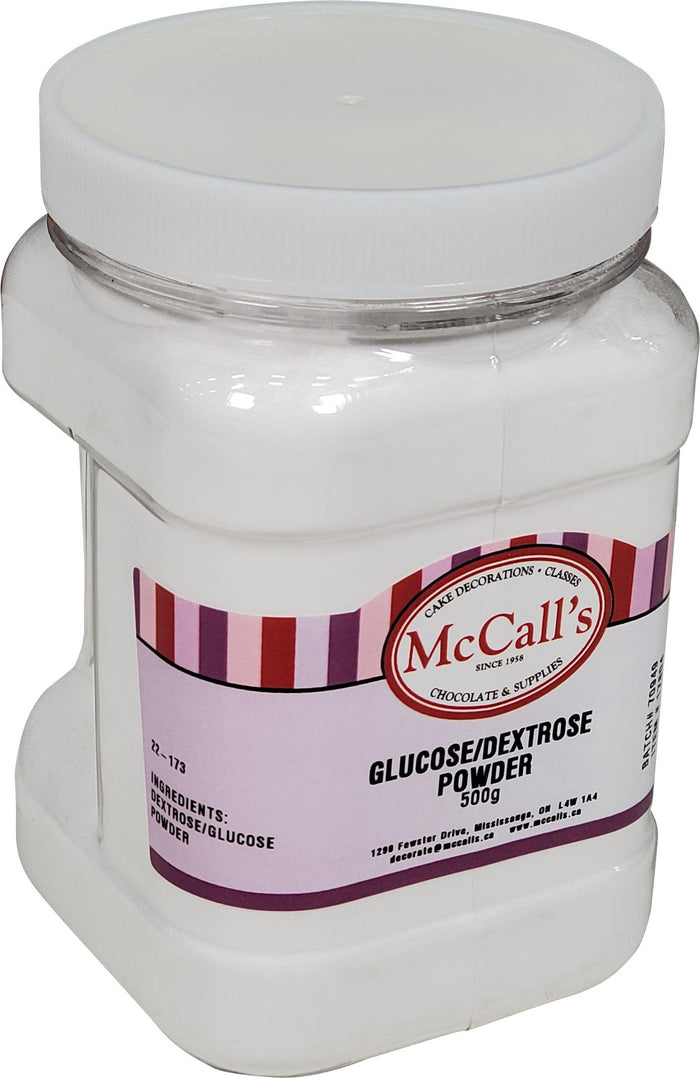
McCall's - Glucose
CODE: SUG064
Roll over image to zoom in
ONLINE PRICE:
Please see your local cash and carry for in-store pricing.
Pickup and Delivery Options
EXPLORE MORE FROM
 McCall's
Description
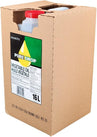
Bulk McCall's Glucose/Dextrose Powder 5kg | Canada-wide Delivery
McCall's glucose is a thick, sweet syrup available in 5 kg containers for commercial food production and foodservice operations. This viscous liquid sweetener is derived from corn starch and serves multiple functional purposes in baking, confectionery, and food manufacturing. Available for delivery across Canada.
Common Commercial Applications
Bakeries, confectionery manufacturers, restaurants, and food production facilities use glucose syrup for its functional properties in various culinary applications. The product serves both sweetening and technical functions in food preparation.
Typical users include:
- Commercial bakeries producing cakes, pastries, and specialty baked goods
- Confectionery manufacturers making candies, caramels, and chocolates
- Ice cream parlors and gelato shops
- Restaurants and hotels with pastry departments
- Catering companies preparing desserts and confections
- Food manufacturing operations producing sauces, glazes, and fillings
- Specialty dessert shops and patisseries
- Cake decorating businesses and custom cake operations
- Food trucks and mobile vendors with baking programs
- Institutional kitchens in hospitals, schools, and corporate facilities
Product Characteristics and Properties
McCall's glucose is a corn syrup derivative processed to specific viscosity and sugar composition standards for commercial food use.
Physical characteristics:
- Consistency: Thick, viscous liquid syrup
- Color: Clear to pale yellow
- Sweetness level: Less sweet than sucrose (table sugar) or invert sugar
- Texture: Smooth, pourable when warmed
- Moisture content: High moisture syrup (typically 15-20% water content)
Functional properties in food production:
- Controls crystallization in sugar work and candy making
- Adds moisture and extends shelf life in baked goods
- Provides body and texture to ice creams and sorbets
- Acts as a humectant to retain moisture
- Contributes to browning in baked products
- Prevents sugar from re-crystallizing in candies and frostings
The 5 kg container provides a bulk quantity suitable for commercial operations while remaining manageable for handling and storage.
Culinary Uses in Commercial Kitchens
Glucose syrup serves multiple functions across various food preparation applications:
Baking applications:
- Fondant and modeling chocolate production
- Cake glazes and mirror glazes
- Buttercream and frosting stabilization
- Cookie and biscuit formulations
- Soft bread and enriched dough products
- Marshmallow and nougat production
Confectionery applications:
- Hard candy and lollipop making
- Caramels and toffees
- Pulled sugar and sugar sculptures
- Chocolate ganache and truffle centers
- Pralines and nut brittles
- Gummy candies and jellies
Frozen dessert applications:
- Ice cream and gelato production
- Sorbet formulations
- Frozen mousse and semifreddo
- Prevents ice crystal formation
Other commercial uses:
- Fruit preserves and jams
- Glazes for pastries and Danish
- Dessert sauces and toppings
- Mousse and bavarian cream stabilization
Storage and Handling
Proper storage maintains glucose quality and usability:
- Store in cool, dry locations away from direct sunlight
- Keep containers tightly sealed when not in use
- Avoid exposure to extreme temperatures
- Room temperature storage (60-75°F / 15-24°C) is suitable
- Higher temperatures make product easier to pour
- Lower temperatures increase viscosity
- Maintain stock rotation using first-in, first-out practices
- Store away from strong odors as product can absorb scents
Handling considerations:
- Warm container in hot water bath if product becomes too thick to pour
- Use clean, dry utensils to prevent contamination
- Wipe container rim after use to prevent dripping
- Full 5 kg containers weigh approximately 5-6 kg including packaging
Operational Considerations for Commercial Buyers
Businesses using glucose in commercial quantities should account for several practical factors:
Usage calculation: Estimate consumption based on production volume and recipe requirements
Recipe formulation: Glucose typically comprises 5-30% of total sugar content in recipes, varying by application
Temperature management: Warming glucose improves pourability and measurement accuracy
Measurement protocols: Weigh rather than measure by volume for precision in commercial recipes
Cost management: Track usage patterns to establish reorder points and production costs
Substitution considerations: Glucose functions differently than other sweeteners; recipe adjustment required if substituting
Staff training: Ensure production teams understand proper handling, measurement, and application techniques
Glucose Syrup vs. Other Sweeteners
Understanding distinctions between sweeteners helps in product selection:
Glucose syrup characteristics:
- Derived from corn starch
- Prevents crystallization
- Less sweet than table sugar
- Adds moisture and texture
- Viscous liquid at room temperature
Corn syrup (light) characteristics:
- Similar base product with different processing
- Slightly different sugar composition
- More commonly available in retail markets
- Can sometimes substitute for glucose in recipes
Invert sugar characteristics:
- Sweeter than glucose
- Different crystallization prevention properties
- Liquid at room temperature
- Different moisture contribution
Honey characteristics:
- Natural product with distinct flavor
- Higher sweetness level
- Contains additional enzymes and compounds
- Not functionally equivalent in technical applications
Some operations stock multiple sweeteners to address different recipe requirements and functional needs.
Technical Functions in Food Production
Glucose serves specific technical purposes beyond sweetening:
Anti-crystallization:
- Prevents sugar from forming crystals in candies, frostings, and syrups
- Maintains smooth texture in finished products
- Critical in fondant and candy production
Moisture retention:
- Acts as humectant to bind water in baked goods
- Extends shelf life by preventing drying
- Keeps products soft and fresh longer
Texture modification:
- Affects chewiness in candies and confections
- Influences crumb structure in baked goods
- Contributes to mouthfeel in frozen desserts
Freezing point depression:
- Lowers freezing temperature in ice creams and sorbets
- Improves scoopability from freezer
- Reduces ice crystal size
Frequently Asked Questions
1. Can I substitute corn syrup for glucose in recipes?
Light corn syrup can sometimes substitute for glucose, though composition differences may affect results. Glucose has specific technical properties in crystallization control. Recipe testing is recommended when substituting.
2. How much glucose should I use in recipes?
Usage depends on the specific application. In candy making, glucose might represent 20-40% of total sugar. In baked goods, 5-15% of flour weight. Follow tested recipes or formulations for your specific products.
3. Does glucose need to be refrigerated?
Refrigeration is not required. Store at room temperature in a sealed container. Cold temperatures make the product more viscous and difficult to pour. Warming makes handling easier.
4. What is the shelf life of glucose?
When stored properly in sealed containers at room temperature, glucose has an extended shelf life. Check product labeling for specific shelf life information. Properly rotated inventory prevents quality degradation.
5. Can glucose be heated?
Yes, glucose is commonly heated in candy making and cooking applications. It withstands high temperatures without breaking down. Use appropriate cooking equipment and follow recipe temperature guidelines.
6. Is glucose the same as glucose powder?
No, glucose syrup and glucose powder (dextrose) are different products. This is liquid glucose syrup. Glucose powder is crystalline and has different functional properties and applications.
7. Why use glucose instead of regular sugar?
Glucose serves technical functions beyond sweetening, including preventing crystallization, retaining moisture, and modifying texture. These properties are valuable in professional confectionery and baking.
8. How do I measure glucose accurately?
Weigh glucose for accuracy in commercial recipes. If measuring by volume, lightly oil measuring cups or spray with non-stick spray to facilitate release. Warming makes pouring and measuring easier.
9. Can glucose be used in savory applications?
While primarily used in sweet applications, glucose can be used in some savory contexts like glazes, sauces, or marinades where its functional properties are beneficial. Usage is less common than in desserts.
10. What causes glucose to become cloudy or grainy?
Crystallization can occur with temperature fluctuations or contamination. Warming and stirring typically resolves cloudiness. Grainy texture suggests sugar crystallization; gentle heating usually dissolves crystals.
Businesses purchasing McCall's glucose in 5 kg containers should evaluate production volume, recipe requirements, and storage capacity. The bulk format works for commercial bakeries, confectionery operations, and food manufacturers with regular glucose usage. Establishing proper storage protocols, measurement standards, and staff training on handling techniques helps maintain product quality and operational efficiency across Canadian foodservice and food production operations.
SIMILAR PRODUCTS
DISCLAIMERS
Prices displayed on the website are valid for online purchases only. Please see your local cash and carry for in-store pricing.
Please allow for 1 day delay in delivery.
Refunds are processed on Friday of each week. In case you need a refund sooner, please Contact Us.
Frozen products are delivered at a cooler temperature.
Free bulk local delivery is available on orders as low as $550 (pre-tax, selected cities)
Please note, additional delivery charges may be required based on accessibility of your location, proximity of your location to our delivery routes, nature of your order. We will notify you if additional charges apply before your delivery.
CUSTOMER REVIEWS