

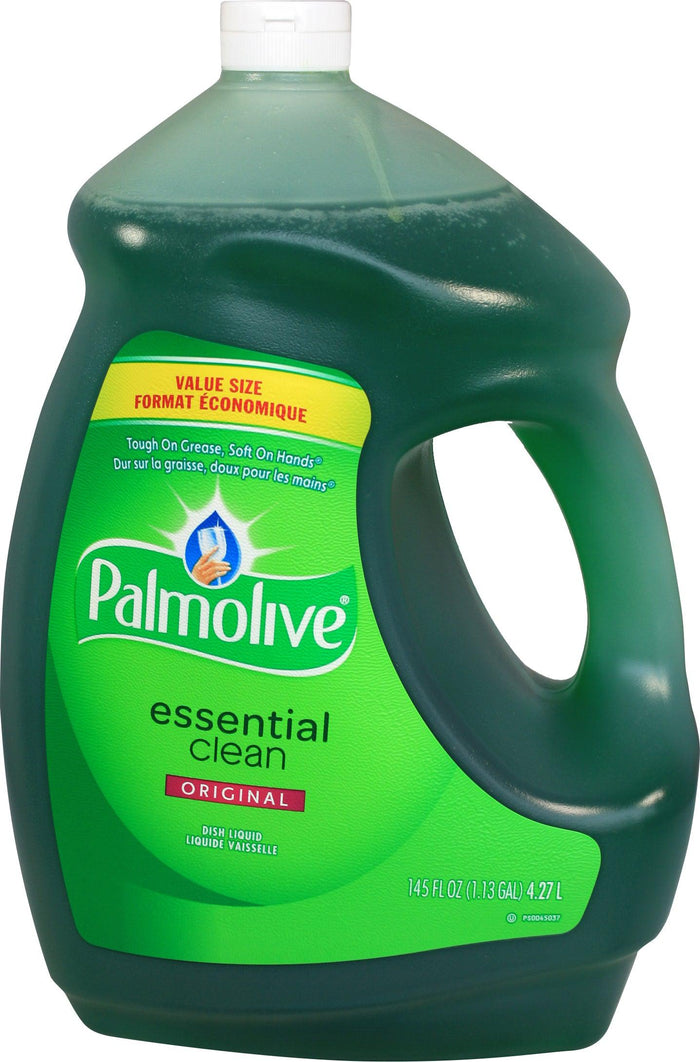
Palmolive - Dishwash Liquid - Original
CODE: CHM338
Roll over image to zoom in
ONLINE PRICE:
Please see your local cash and carry for in-store pricing.
Pickup and Delivery Options
EXPLORE MORE FROM
 Palmolive
Description
Palmolive Dishwasher Liquid Soap 4.27lt in Bulk | Delivery Across Canada
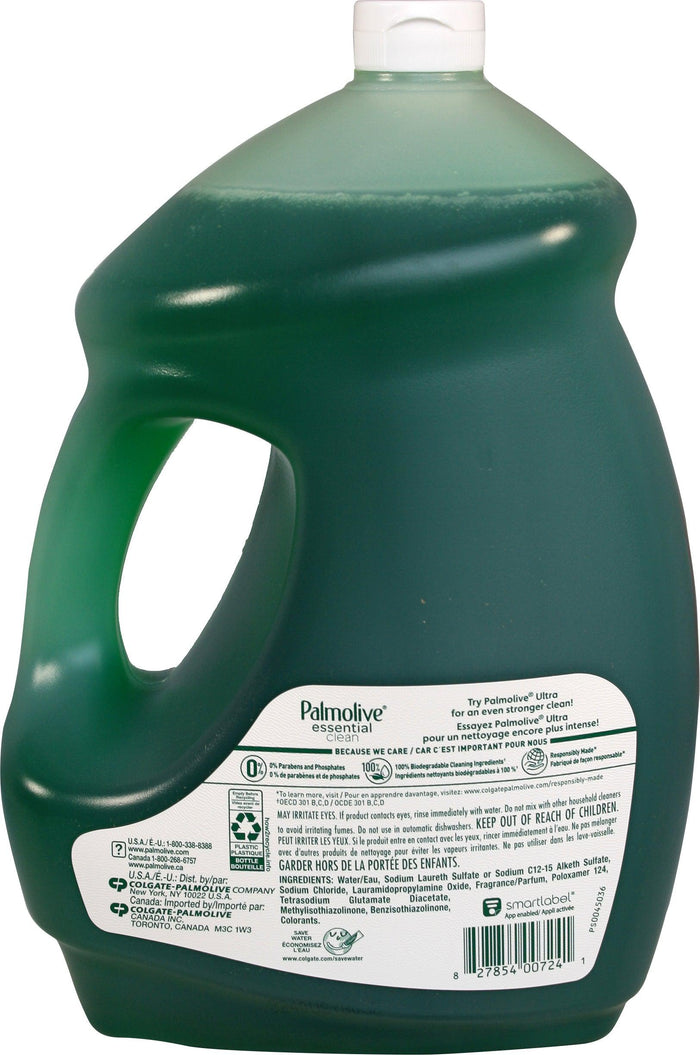
Palmolive dishwash liquid in Original formula is available in 4.27 liter bottles or cases containing 17.08 liters (4 x 4.27 L bottles) for commercial dishwashing operations. This liquid detergent is formulated for manual dishwashing tasks in foodservice and commercial settings. Available for delivery across Canada.
Common Commercial Applications
Restaurants, catering operations, institutional kitchens, and various foodservice establishments use dishwash liquid for manual washing of dishes, glassware, utensils, and cookware. The bulk format serves operations requiring consistent supply for daily dishwashing needs.
Typical users include:
- Restaurants and dining establishments with manual dishwashing stations
- Cafes and coffee shops washing dishes, cups, and food preparation items
- Food trucks and mobile food vendors with limited dishwashing equipment
- Catering companies handling event cleanup and equipment washing
- Institutional kitchens in schools, hospitals, and senior care facilities
- Office buildings and corporate break rooms with kitchenettes
- Hotels and hospitality operations with auxiliary dishwashing needs
- Retail food operations including bakeries, delis, and prepared food counters
- Daycare centers and childcare facilities with food service components
- Community centers and recreational facilities with kitchen areas
Product Specifications and Packaging
Container specifications:
- Volume: 4.27 liters per bottle
- Case count: 4 bottles per case
- Total case volume: 17.08 liters
- Container type: Plastic bottle with dispensing cap
- Formula: Original Palmolive dishwash liquid formulation
Product characteristics:
- Liquid detergent concentrate for manual dishwashing
- Designed for use in commercial and residential dishwashing
- Requires dilution with water during use
- Produces suds/foam during washing process
- Original formula refers to the classic Palmolive scent and formulation
The 4.27 L format provides a bulk volume suitable for commercial operations while remaining manageable for handling and storage.
Storage and Handling
Proper storage maintains product integrity and ensures worker safety:
- Store in cool, dry locations away from direct sunlight
- Keep bottles upright to prevent leaking
- Avoid exposure to extreme temperatures (freezing or excessive heat)
- Maintain stock rotation using first-in, first-out practices
- Store away from food preparation and storage areas
- Keep containers tightly closed when not in use
- Follow workplace safety protocols for chemical storage
- Ensure adequate ventilation in storage areas
Handling considerations:
- Full bottles weigh approximately 4-5 kg each
- Use proper lifting techniques when moving cases
- Wipe bottle exteriors if product spillage occurs
- Check containers for damage or leaks upon delivery
Operational Considerations for Commercial Buyers
Businesses using dishwash liquid in commercial quantities should account for several practical factors:
Usage calculation: Estimate consumption based on dishwashing volume, water hardness, and soil level of items being washed
Dilution practices: Train staff on appropriate product-to-water ratios for effective washing while controlling costs
Dispensing systems: Some operations use pump dispensers or dilution systems for controlled product application
Cost management: Monitor usage patterns to establish reorder points and budget for cleaning supplies
Regulatory compliance: Ensure product use aligns with local health department requirements for manual dishwashing
Staff training: Provide proper instruction on dishwashing procedures, including water temperature, soaking, and rinsing
Waste management: Implement practices for empty container disposal or recycling where programs exist
Manual Dishwashing in Commercial Settings
Manual dishwashing typically follows a three-compartment sink system in commercial foodservice:
Standard three-sink procedure:
- Wash sink: Hot water with dishwash liquid for cleaning
- Rinse sink: Clean water for removing detergent
- Sanitize sink: Chemical sanitizer or very hot water for final sanitizing
Dishwash liquid is used in the first sink to remove food residue, grease, and soil from items before rinsing and sanitizing.
Usage factors affecting consumption:
- Water hardness (hard water may require more product)
- Soil level of dishes and cookware
- Water temperature (warmer water typically requires less detergent)
- Type of items being washed (greasy pans vs. glassware)
- Staff washing practices and training
Bulk Format Advantages
The 4.27 L bottle and case format offers specific operational benefits:
Volume efficiency:
- Larger bottles reduce reordering frequency compared to smaller retail sizes
- Case purchasing provides backup inventory for uninterrupted operations
- Bulk sizing typically offers better per-liter cost compared to smaller containers
Operational continuity:
- Multiple bottles per case prevent supply gaps
- Suitable for operations with moderate to high dishwashing volume
- Reduces trips to retail stores for emergency supply purchases
Storage considerations:
- Stackable cases optimize warehouse or storage room space
- Bottles small enough to fit under most sinks or in cleaning supply areas
- Case format allows for organized inventory management
Product Usage and Dosage
Dishwash liquid concentration and usage vary based on several factors:
Factors affecting amount used per wash:
- Water hardness in your area
- Soil level and grease content on items
- Volume of items in wash water
- Water temperature
- Manufacturer recommendations on product label
General usage guidance:
- Follow label instructions for recommended dilution ratios
- Adjust based on actual washing conditions and results
- More product is not always more effective—proper dilution matters
- Test and standardize usage to control costs while maintaining cleaning effectiveness
Frequently Asked Questions
1. How much dishwash liquid should I use per sink?
Usage depends on sink size, water hardness, and soil level. Start with manufacturer recommendations on the label and adjust based on results. Typically, a small amount (tablespoons rather than cups) is sufficient for a standard three-compartment sink.
2. Can this dishwash liquid be used in commercial dishwashing machines?
No, manual dishwash liquids are formulated differently than machine detergents. Use only products specifically designed for commercial dishwashing machines to avoid excessive sudsing, equipment damage, and poor cleaning results.
3. What is the shelf life of dishwash liquid?
When stored properly in original containers at room temperature, dishwash liquid typically maintains quality for extended periods. Check product labeling for specific shelf life information. Properly rotated inventory prevents degradation.
4. Does water temperature matter when using dishwash liquid?
Yes, water temperature affects cleaning performance. Most commercial dishwashing operations use hot water (110-120°F or 43-49°C) in the wash sink for effective soil removal. Warmer water typically requires less detergent.
5. Can I dilute dishwash liquid for use in spray bottles?
Dilution practices depend on intended use. For manual dishwashing in three-compartment sinks, product is added to wash water, not pre-diluted. For other cleaning tasks, follow manufacturer guidelines or test dilution ratios for effectiveness.
6. How do I know if I'm using too much or too little product?
Too much: Excessive suds, difficulty rinsing, residue on dishes. Too little: Poor grease cutting, food residue remaining, lack of adequate cleaning. Adjust amount based on washing results and water conditions.
7. Is this product suitable for all types of dishware?
Palmolive dishwash liquid is formulated for general manual dishwashing of dishes, glassware, pots, pans, and utensils. For specialized items (delicate crystal, certain metals), check manufacturer care instructions for those items.
8. What should I do if product gets in eyes or on skin?
Refer to the product Safety Data Sheet (SDS) for specific first aid information. Generally, rinse affected areas with water. For workplace safety, ensure staff have access to SDS information and proper training.
9. Can this be used for cleaning surfaces other than dishes?
While designed for dishwashing, some operations use dishwash liquid for general surface cleaning. Effectiveness varies by surface type and soil. Specialized cleaning products may be more appropriate for certain tasks.
10. How many sinks of dishes can I wash with one bottle?
This varies significantly based on sink size, water volume, soil level, and usage amount. Operations should track their specific consumption patterns to estimate usage and reorder needs.
Businesses purchasing Palmolive dishwash liquid in 4.27 L bottles or cases should evaluate dishwashing volume, storage capacity, and staff training needs. The bulk format works for operations with regular manual dishwashing requirements, from small cafes to larger institutional kitchens. Establishing proper usage protocols, storage procedures, and inventory management practices helps control costs and maintain consistent cleaning standards across Canadian foodservice and commercial operations.
SIMILAR PRODUCTS
DISCLAIMERS
Prices displayed on the website are valid for online purchases only. Please see your local cash and carry for in-store pricing.
Please allow for 1 day delay in delivery.
Refunds are processed on Friday of each week. In case you need a refund sooner, please Contact Us.
Frozen products are delivered at a cooler temperature.
Free bulk local delivery is available on orders as low as $550 (pre-tax, selected cities)
Please note, additional delivery charges may be required based on accessibility of your location, proximity of your location to our delivery routes, nature of your order. We will notify you if additional charges apply before your delivery.
CUSTOMER REVIEWS