Samosa & Sweet Factory Rasmalai Pail 120ct Bucket | Delivery in GTA
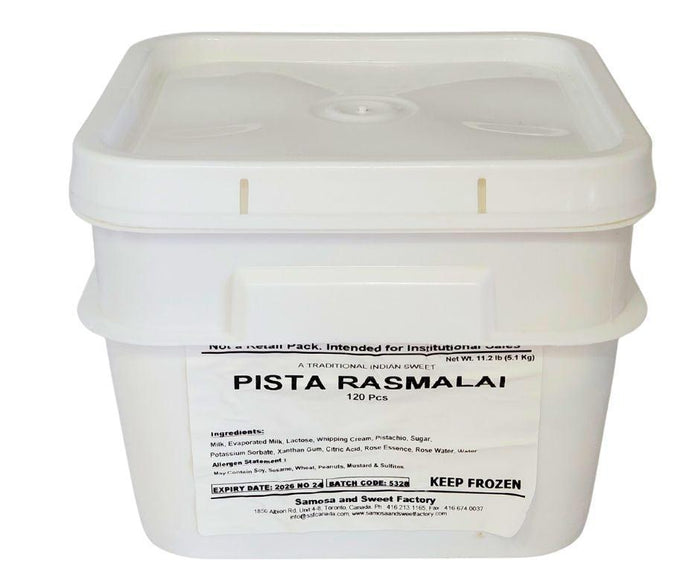
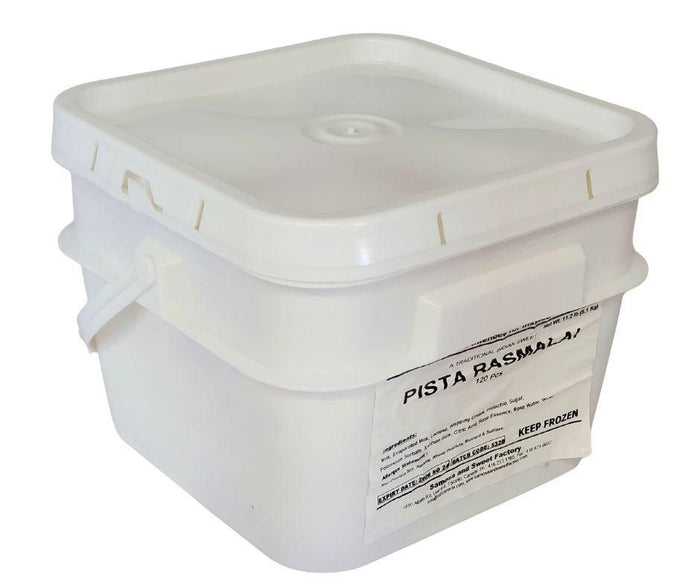
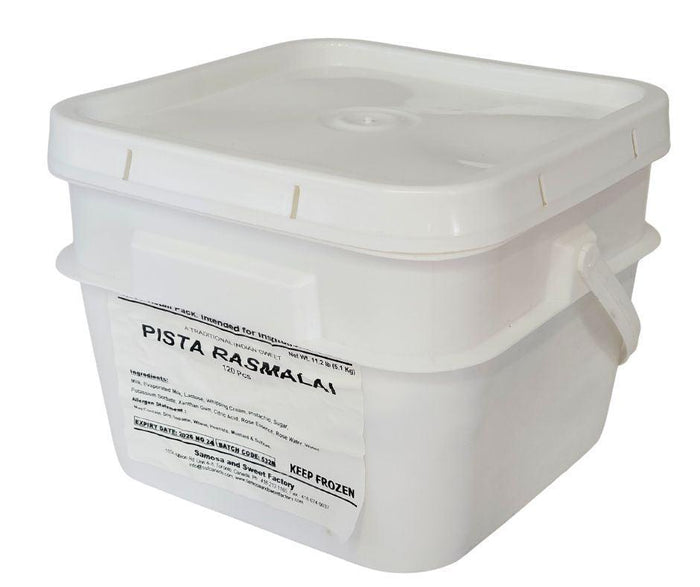
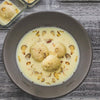
Samosa & Sweet Factory Rasmalai is a traditional South Asian dessert available in a bulk pail containing 120 individual pieces. This frozen or refrigerated product consists of soft cheese patties soaked in sweetened, cardamom-flavoured milk. Available for delivery across the Greater Toronto Area.
Common Commercial Applications
Restaurants, catering operations, sweet shops, and foodservice establishments serving South Asian cuisine use rasmalai to offer authentic dessert options. The bulk pail format accommodates operations requiring consistent inventory for regular service or special events.
Typical users include:
- Indian, Pakistani, and Bangladeshi restaurants with dessert menus
- Sweet shops and mithai stores offering traditional desserts
- Catering companies handling South Asian weddings and events
- Banquet halls and event venues serving ethnic cuisine
- Cafes and restaurants with fusion or international dessert offerings
- Food trucks specializing in South Asian street food and sweets
- Institutional cafeterias serving diverse populations
- Grocery stores with prepared food sections
- Hotel restaurants and hospitality operations
- Buffet-style restaurants with dessert stations
Product Specifications and Characteristics
Packaging specifications:
-
Count: 120 individual rasmalai pieces per pail
-
Format: Bulk pail packaging
-
Product state: Typically frozen or refrigerated (verify with supplier)
-
Storage requirement: Freezer or refrigeration depending on product format
Product characteristics:
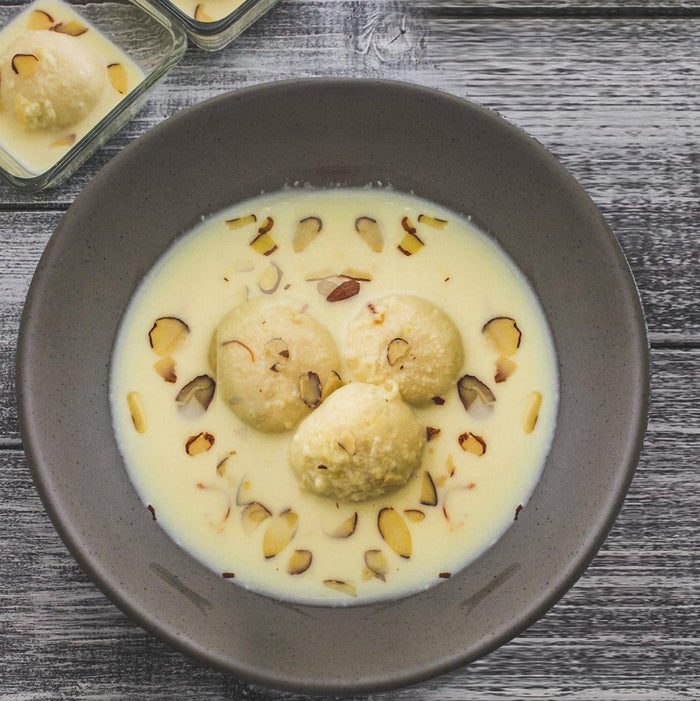
- Traditional rasmalai dessert with soft paneer (cheese) patties
- Soaked in sweetened milk flavoured with cardamom
- Individual portion pieces for service
- Pre-made and ready for serving after thawing (if frozen) or direct service (if refrigerated)
- White to cream color appearance typical of milk-based desserts
The 120-piece count provides portion control and simplifies inventory management for commercial operations.
Traditional Rasmalai Composition
Rasmalai is a Bengali sweet consisting of two main components:
Cheese patties (rasgulla):
- Made from chhena or paneer (fresh cheese curds)
- Soft, spongy texture
- Round, flattened shape
- Absorbs flavoured milk during soaking
Sweetened milk (ras):
- Reduced milk base with sugar
- Flavoured with cardamom
- May include saffron or rose water
- Garnished with nuts (pistachios, almonds) in some preparations
Service and Presentation
Pre-made rasmalai can be served in various commercial settings:
Direct service:
- Individual pieces plated with milk
- Garnished with chopped nuts if desired
- Served chilled in dessert bowls or plates
- Typically presented as 1-2 pieces per serving
Buffet service:
- Kept chilled in chafer or cold holding equipment
- Served with ladle or serving spoon
- Displayed in attractive serving bowl
- Garnish added for visual appeal
Catering applications:
- Pre-portioned for plated dessert service
- Individual cups for casual events
- Family-style serving bowls for table service
- Component of dessert assortments
Storage and Handling
Proper storage maintains product quality and food safety:
If frozen:
- Store at 0°F (-18°C) or below
- Thaw in refrigeration before service (24-48 hours typically)
- Do not refreeze once thawed
- Check manufacturer guidelines for specific thawing instructions
If refrigerated:
- Maintain at 40°F (4°C) or below
- Use within date indicated on packaging
- Keep sealed until ready to serve
- Protect from contamination
General handling:
- First-in, first-out inventory rotation
- Monitor temperature in storage units
- Check expiration or best-by dates
- Handle with clean utensils to prevent contamination
- Keep milk-based desserts properly chilled during service
Operational Considerations for Commercial Buyers
Businesses purchasing rasmalai in bulk should account for several practical factors:
Portioning and yield:
- 120 pieces provide 60-120 servings depending on portion size (1-2 pieces per serving)
- Calculate needs based on typical dessert orders and event sizes
- Plan for variations in customer preferences
Menu integration:
- Dessert menu option for South Asian cuisine
- Special occasion and festival offerings
- Buffet dessert selection
- Takeout and delivery dessert items
Storage capacity:
- Pail requires freezer or refrigeration space
- Consider storage alongside other dessert inventory
- Plan for thawing space if product is frozen
Shelf life management:
- Frozen products typically have longer shelf life than refrigerated
- Coordinate ordering with anticipated demand
- Account for special events and seasonal variations
Dietary considerations:
- Contains dairy (milk, cheese)
- Generally vegetarian
- May contain nuts as garnish
- Sugar content typical of traditional sweets
Bulk Pail vs. Individual Packaging
Understanding packaging formats helps in product selection:
Bulk pail (120 pieces):
- Higher total piece count
- Single container for storage
- Cost-effective for high-volume operations
- Requires proper handling to prevent spoilage
- Suitable for operations with regular rasmalai service
Individual packaging:
- Smaller quantities per package
- Extended shelf life per unopened unit
- Easier portion control
- Higher packaging cost per piece
- Better for lower-volume operations or variety
Many operations serving South Asian desserts regularly opt for bulk formats to manage costs and maintain consistent availability.
Frequently Asked Questions
1. How many servings are in a 120-piece pail?
Serving size varies by operation. If serving 1 piece per dessert, the pail provides 120 servings. If serving 2 pieces per dessert (common in some settings), it yields 60 servings.
2. Is this product frozen or refrigerated?
Product format can vary by supplier. Verify with Samosa & Sweet Factory or your distributor whether this specific product is frozen or refrigerated upon delivery.
3. How long does rasmalai last after opening?
Once opened and if refrigerated, rasmalai typically maintains quality for 3-5 days. Always check product labeling for specific guidance and monitor for any signs of spoilage.
4. Can frozen rasmalai be thawed and refrozen?
No, thawed rasmalai should not be refrozen. This affects texture and food safety. Thaw only the quantity you plan to serve within the recommended refrigerated shelf life.
5. How should rasmalai be served?
Serve chilled in individual dessert bowls or plates. Each piece should be served with some of the sweetened milk. Garnish with chopped nuts if desired for presentation.
6. What is the shelf life of frozen rasmalai?
Frozen shelf life varies by manufacturer. Check the best-by date on packaging. Properly stored frozen rasmalai typically maintains quality for several months.
7. Can rasmalai be heated?
Rasmalai is traditionally served chilled, not heated. Warming may negatively affect texture and appearance of the milk-based dessert.
8. Are there any common allergens in rasmalai?
Yes, rasmalai contains dairy (milk and cheese). It may also contain nuts if garnished. Always check ingredient labels and inform customers of allergen content.
9. How do I calculate how much to order for an event?
Estimate based on guest count and whether rasmalai is the only dessert or part of a selection. For an exclusive dessert, plan 1-2 pieces per person. As part of a dessert assortment, factor in reduced individual consumption.
10. What temperature should rasmalai be held at during service?
Keep rasmalai refrigerated at 40°F (4°C) or below. During buffet service, use appropriate cold holding equipment to maintain safe temperatures.
Businesses purchasing Samosa & Sweet Factory Rasmalai in 120-piece pails should evaluate typical dessert service volume, available refrigeration or freezer capacity, and customer demand for South Asian sweets. The bulk format suits operations with regular rasmalai service or those handling events requiring larger dessert quantities. Verifying product format (frozen vs. refrigerated), establishing proper storage protocols, and training staff on handling and service procedures helps maintain product quality and food safety across Greater Toronto Area foodservice operations.