

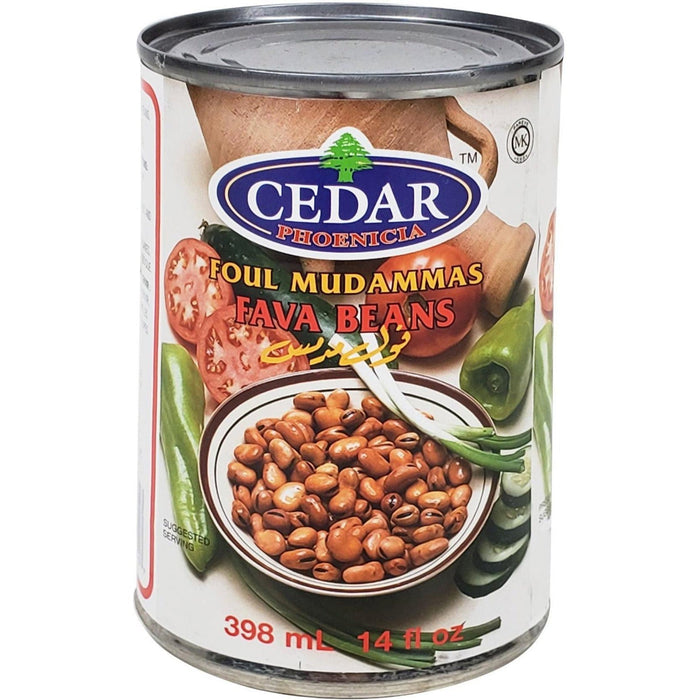
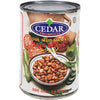
Cedar - Fava Beans
CODE: CAN003
Roll over image to zoom in
ONLINE PRICE:
Please see your local cash and carry for in-store pricing.
Pickup and Delivery Options
EXPLORE MORE FROM
 Cedar
Cedar
Description
Cedar Fava Beans Canned 398 ml at Low Price - Delivering Across Canada
Cedar fava beans are ready-to-use canned legumes available in 398 ml cans or cases containing 24 cans for commercial foodservice operations. These pre-cooked broad beans are packaged in liquid, providing convenience for operations requiring prepared legumes without soaking or extended cooking times. Available for delivery across Canada.
Common Commercial Applications
Restaurants, catering operations, institutional kitchens, and retail food businesses use canned fava beans for Mediterranean, Middle Eastern, and diverse international menu offerings. The pre-cooked format eliminates preparation time associated with dried legumes.
Typical users include:
- Mediterranean and Middle Eastern restaurants preparing traditional dishes
- Multi-cuisine restaurants featuring international menu items
- Catering companies handling diverse cuisine requirements for events
- Food trucks and mobile vendors with limited prep space and equipment
- Hotel banquet kitchens and institutional foodservice operations
- Cafes and quick-service establishments with vegetarian/vegan offerings
- Specialty food retailers preparing deli items and salads
- Corporate cafeterias and educational institution kitchens
- Healthcare facilities with dietary menu requirements
- Meal prep services requiring plant-based protein sources
Product Specifications and Characteristics
Container specifications:
- Volume: 398 ml per can
- Case count: 24 cans per case
- Total case volume: Approximately 9.5 liters
- Product state: Pre-cooked fava beans in liquid (typically salted water or brine)
- Storage: Shelf-stable canned goods
Product characteristics:
- Fava beans (also known as broad beans, foul, or faba beans)
- Pre-cooked and ready to use after draining or heating
- Packed in liquid for preservation
- Beige to light brown color when cooked
- Creamy texture when prepared
- Mild, earthy flavor profile
The 398 ml can size provides a moderate quantity suitable for recipe integration, side dish preparation, or appetizer portions in commercial settings.
Culinary Uses in Commercial Kitchens
Canned fava beans serve multiple functions across various cuisines:
Middle Eastern and Mediterranean preparations:
- Ful medames (traditional Egyptian breakfast dish)
- Fava bean dips and spreads
- Mezze platters and appetizer offerings
- Bean salads with herbs and vegetables
- Stewed preparations with tomatoes and spices
Soup and stew applications:
- Bean soups and broths
- Vegetable stews
- Minestrone and ribollita variations
- Hearty grain and legume combinations
Contemporary and fusion dishes:
- Protein component in grain bowls
- Vegetarian burger and falafel ingredients
- Pasta and risotto additions
- Roasted or sautéed side dishes
- Salad toppings and mix-ins
Other applications:
- Pureed for dips similar to hummus
- Added to rice pilafs
- Component in vegetable medleys
- Mashed as filling for wraps and sandwiches
Preparation considerations:
- Drain liquid before use in most applications
- Rinse if reducing sodium content is desired
- Heat through for hot applications
- Can be used cold in salads
- Mashing or pureeing creates spreads and dips
Storage and Handling
Proper storage maintains product quality and food safety:
- Shelf storage: Store unopened cans in cool, dry locations
- Temperature: Room temperature storage suitable for unopened cans
- Shelf life: Check can for best-by or expiration dates
- First-in, first-out rotation: Use older inventory first
- Can integrity: Inspect for dents, rust, or bulging before use
- After opening: Transfer unused portions to covered containers
- Refrigeration after opening: Store opened beans in refrigerator and use within 3-4 days
- Do not store in opened can: Transfer to food-safe containers for refrigeration
Handling considerations:
- Standard can opener required
- Full case weighs approximately 9-11 kg
- Individual cans easy to handle and store
- Stack cases carefully to prevent can damage
Operational Considerations for Commercial Buyers
Businesses using canned fava beans in commercial quantities should account for several practical factors:
Inventory planning: Calculate needs based on menu offerings, expected demand, and storage capacity
Preparation efficiency: Canned beans eliminate soaking and long cooking times required for dried legumes
Labor cost management: Reduces prep labor compared to cooking beans from dried state
Portion control: Can size facilitates recipe standardization and cost calculation
Menu flexibility: Stock shelf-stable inventory to accommodate fluctuating demand
Yield estimation: One 398 ml can yields approximately 240-280 grams drained weight (varies by packing liquid)
Dietary considerations: Fava beans provide plant-based protein for vegetarian and vegan menu items
Recipe adaptation: Can substitute for dried fava beans in most recipes (adjust for pre-cooked state)
Canned vs. Dried Fava Beans
Understanding differences between canned and dried legumes helps in product selection:
Canned fava beans:
- Pre-cooked and ready to use
- No soaking or extended cooking required
- Shelf-stable in unopened cans
- Higher per-unit cost than dried
- Consistent texture and doneness
- Space-efficient storage
Dried fava beans:
- Requires soaking (8-12 hours typical)
- Cooking time: 45-90 minutes after soaking
- Lower per-pound cost
- Requires advance preparation planning
- More control over final texture
- Larger bulk storage requirements
Many operations use both formats depending on menu requirements, prep schedules, and volume needs.
Case Quantity and Purchasing Considerations
Individual 398 ml can:
- Suitable for recipe testing or low-volume applications
- Allows variety in stocked legume types
- Easy integration into existing inventory
Case of 24 cans:
- Cost efficiency through bulk purchasing
- Reduces reorder frequency
- Appropriate for operations with regular fava bean usage
- Requires adequate dry storage space
- Long shelf life supports advance purchasing
Nutritional Profile Context
Fava beans are recognized as a source of plant-based protein, fiber, and various minerals. Specific nutritional values depend on preparation and packing liquid. Canned fava beans typically contain added salt in the packing liquid. Nutritional information varies by specific product—refer to label for details.
Frequently Asked Questions
Do canned fava beans need to be cooked?
Canned fava beans are already cooked during the canning process. They require only heating if serving hot, or can be used cold after draining and rinsing. No additional cooking is necessary for food safety.
Should I rinse canned fava beans before using?
Rinsing is optional and depends on the application. Rinsing reduces sodium content from packing liquid and can improve taste for some preparations. Some recipes utilize the packing liquid for added viscosity in soups and stews.
How many servings are in a 398 ml can?
Serving size depends on application. As a side dish, one can typically provides 2-3 servings. As a protein component in mixed dishes, yield varies based on recipe. Drained weight is approximately 240-280 grams per can.
Can fava beans be frozen after opening?
Yes, drained fava beans can be frozen in airtight containers for extended storage. Texture may soften slightly after freezing. Use within 2-3 months for quality.
Are canned fava beans the same as fresh fava beans?
Canned fava beans differ from fresh in texture and flavor intensity. Fresh fava beans require shelling and often peeling of inner skin. Canned beans are more tender and have milder flavor than fresh. They can substitute in many recipes with texture adjustments.
Do fava beans cause reactions in some people?
Some individuals have sensitivity to fava beans (favism), typically associated with G6PD deficiency. This is a medical consideration outside standard food allergen protocols. Operations should be aware when serving to diverse populations.
How long do canned fava beans last after opening?
Once opened and refrigerated in a covered container, fava beans maintain quality for 3-4 days. Discard if any off-odors, discoloration, or mold develops.
Can I use the liquid from canned fava beans?
The packing liquid (aquafaba-style liquid) can be used in some applications, though it differs from chickpea aquafaba. It adds moisture and some binding properties to dishes. Sodium content should be considered.
What's the difference between fava beans and other canned beans?
Fava beans are larger than most common beans, with a distinct earthy, slightly bitter flavor. They have a creamy, buttery texture when cooked. Nutritional profiles and culinary applications differ from kidney beans, black beans, or chickpeas.
How should I calculate cost per serving?
Calculate based on drained weight (approximately 240-280g per can) and your specific recipe portions. For cost analysis, determine how many servings your recipes yield from each can based on portion sizes.
Businesses purchasing Cedar fava beans in 398 ml cans or cases should evaluate typical usage volume, storage capacity, and menu applications. The canned format works for operations ranging from small cafes to large institutional kitchens, providing flexibility in inventory management and preparation scheduling. Establishing proper storage rotation, recipe standardization, and portion control practices helps maintain product quality and cost efficiency across Canadian foodservice operations.
SIMILAR PRODUCTS
DISCLAIMERS
Prices displayed on the website are valid for online purchases only. Please see your local cash and carry for in-store pricing.
Please allow for 1 day delay in delivery.
Refunds are processed on Friday of each week. In case you need a refund sooner, please Contact Us.
Frozen products are delivered at a cooler temperature.
Free bulk local delivery is available on orders as low as $550 (pre-tax, selected cities)
Please note, additional delivery charges may be required based on accessibility of your location, proximity of your location to our delivery routes, nature of your order. We will notify you if additional charges apply before your delivery.
CUSTOMER REVIEWS